

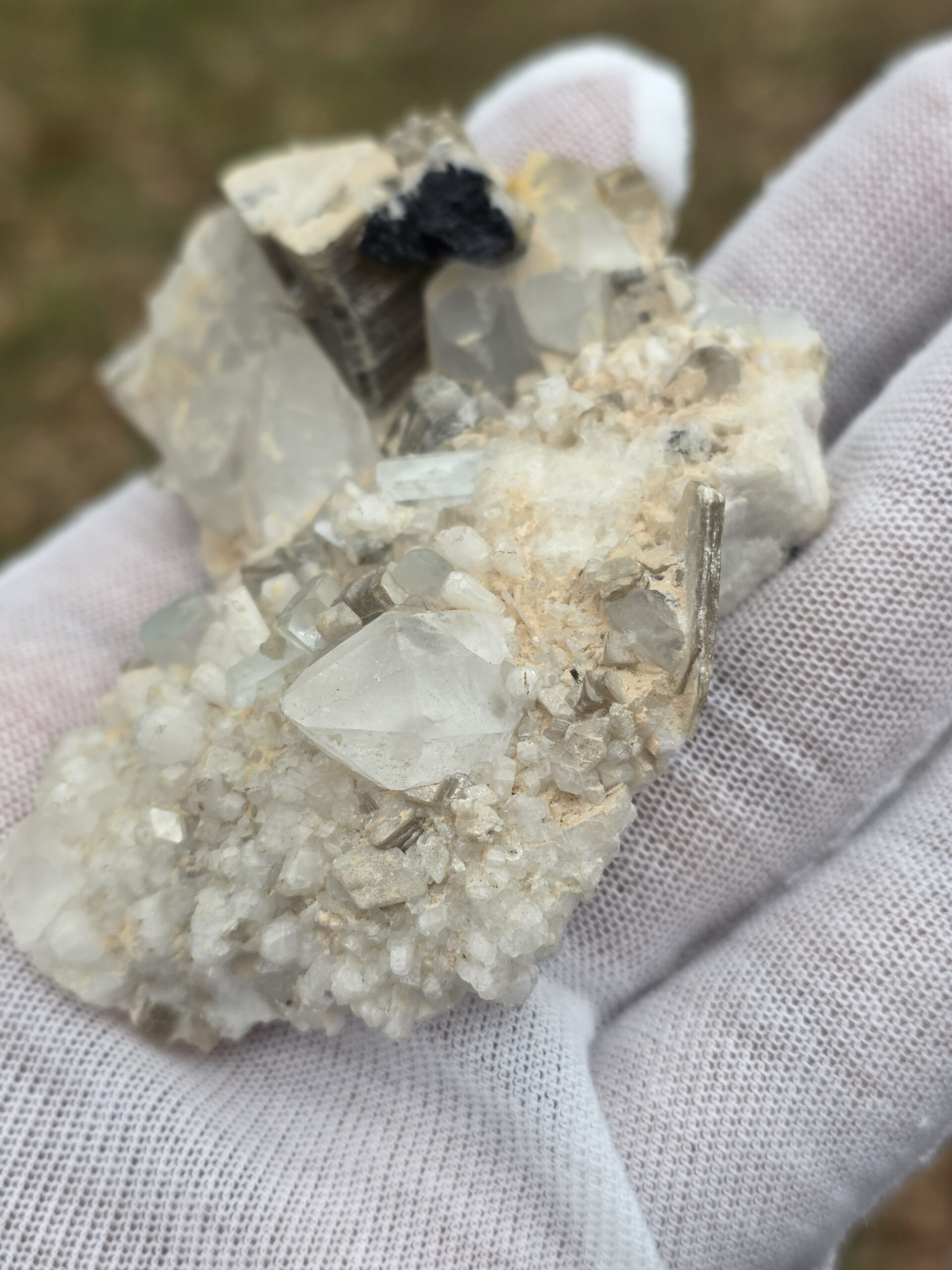
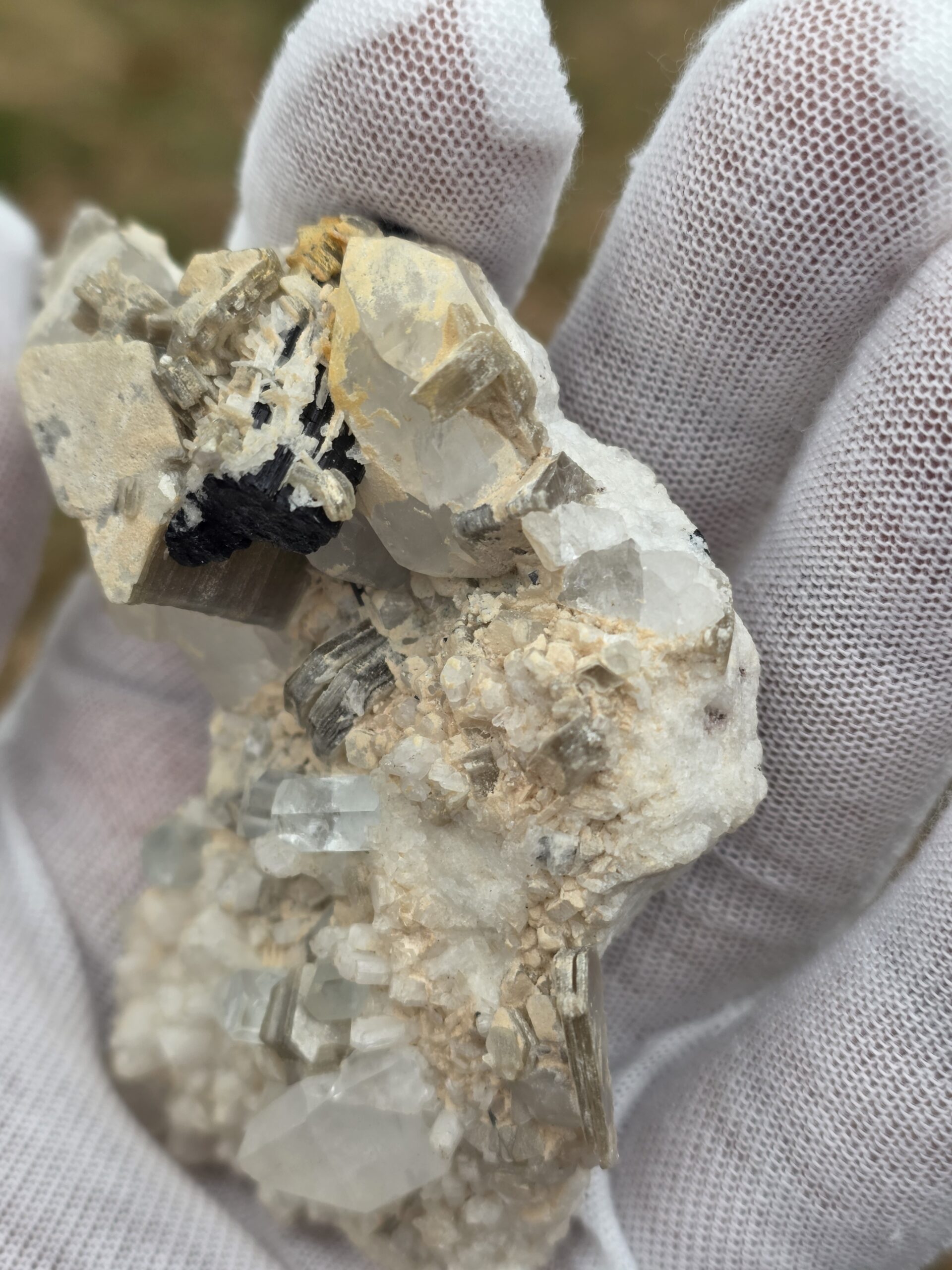
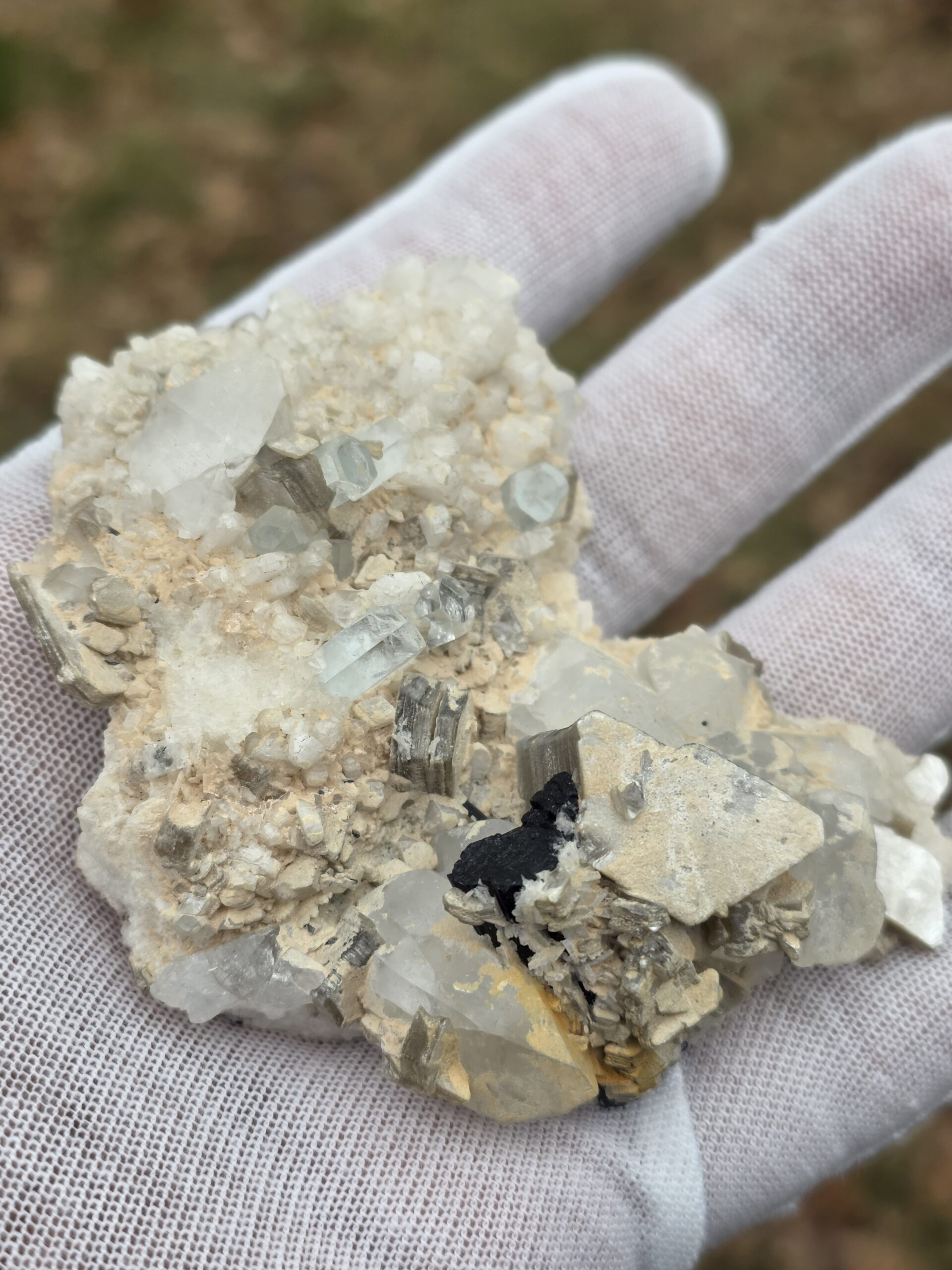
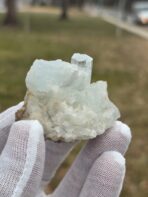
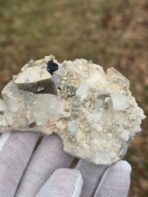
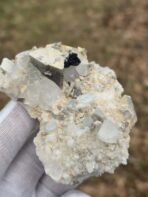
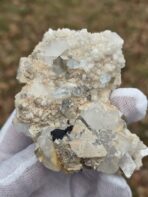

Large 630 ct Aquamarine on Quartz–Mica Matrix with Black Tourmaline – Natural Pakistan Pegmatite Specimen
GLverify.com Certificate No: 901018527093
Certified Value: US $450.00
SUMMARY:
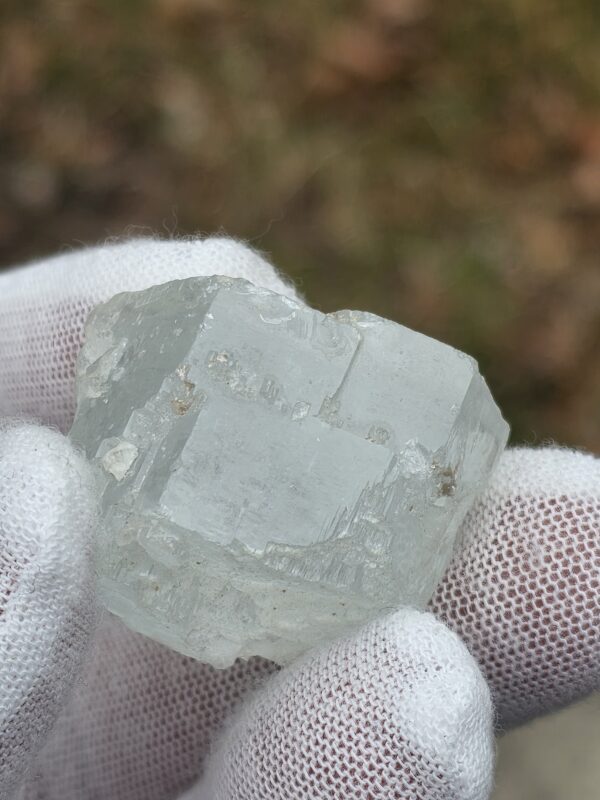
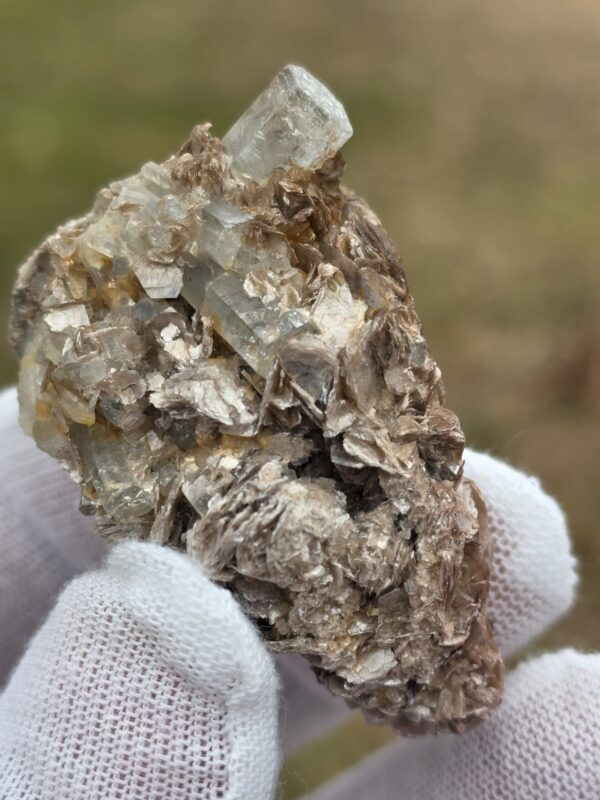
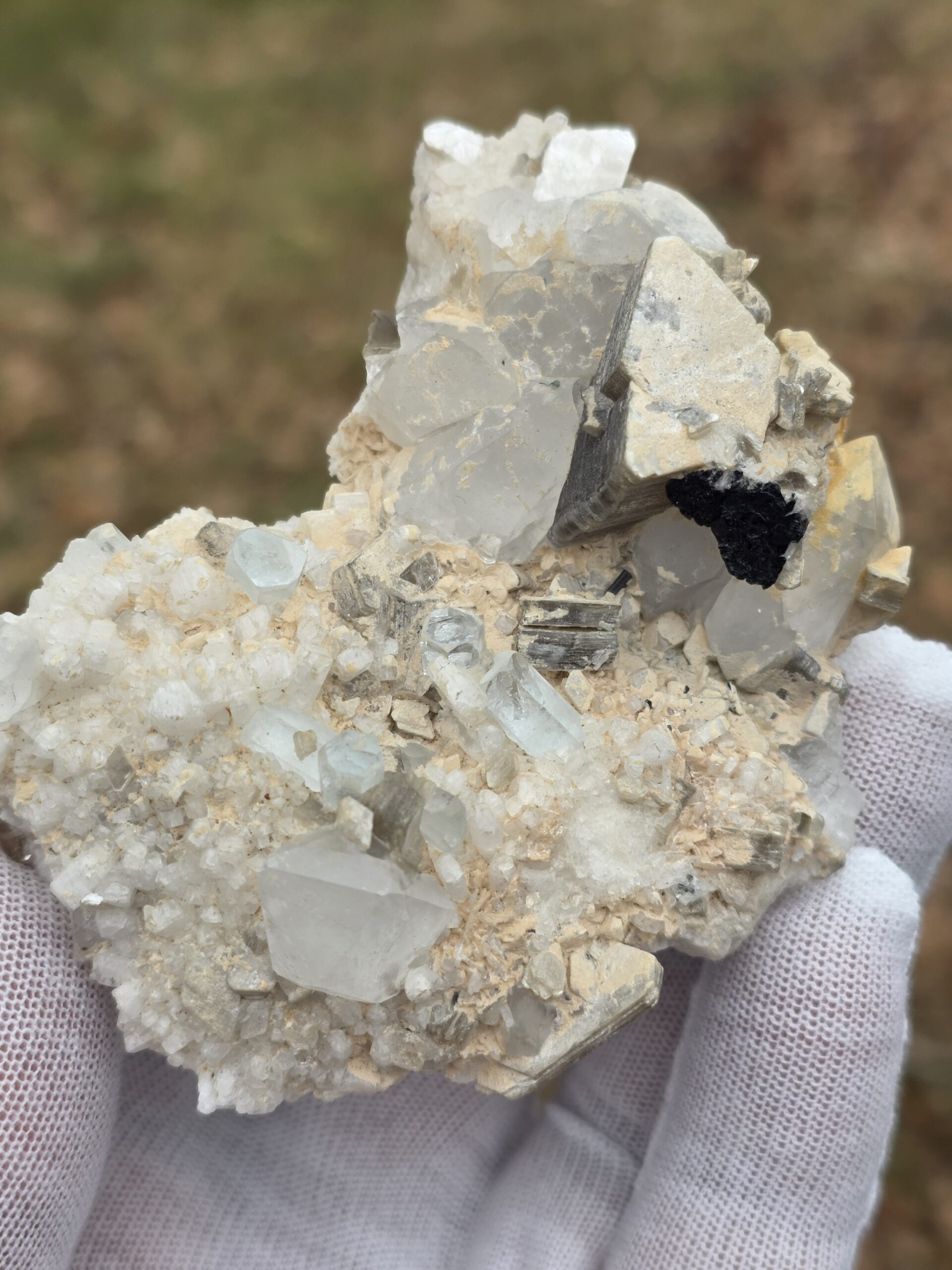
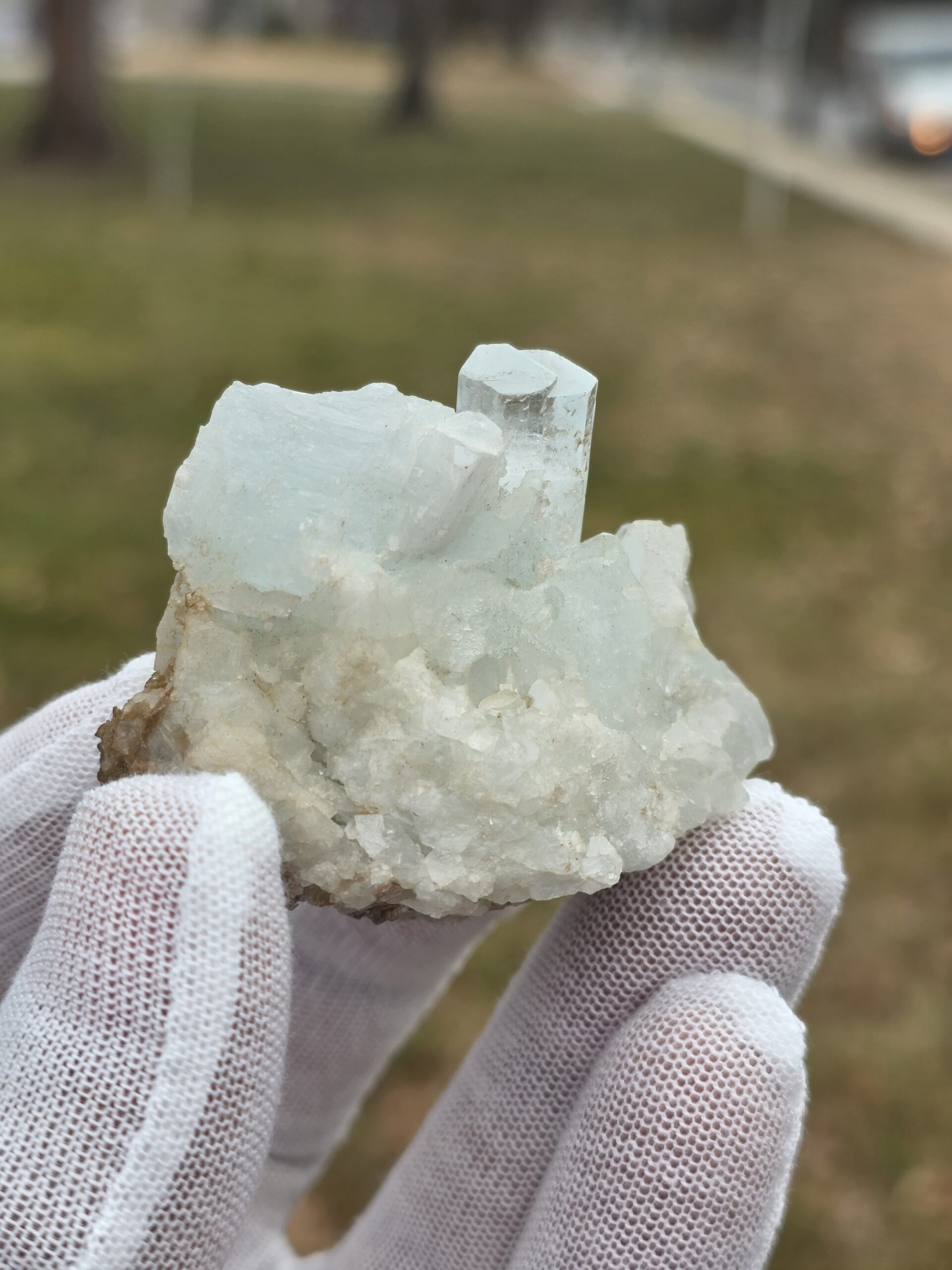
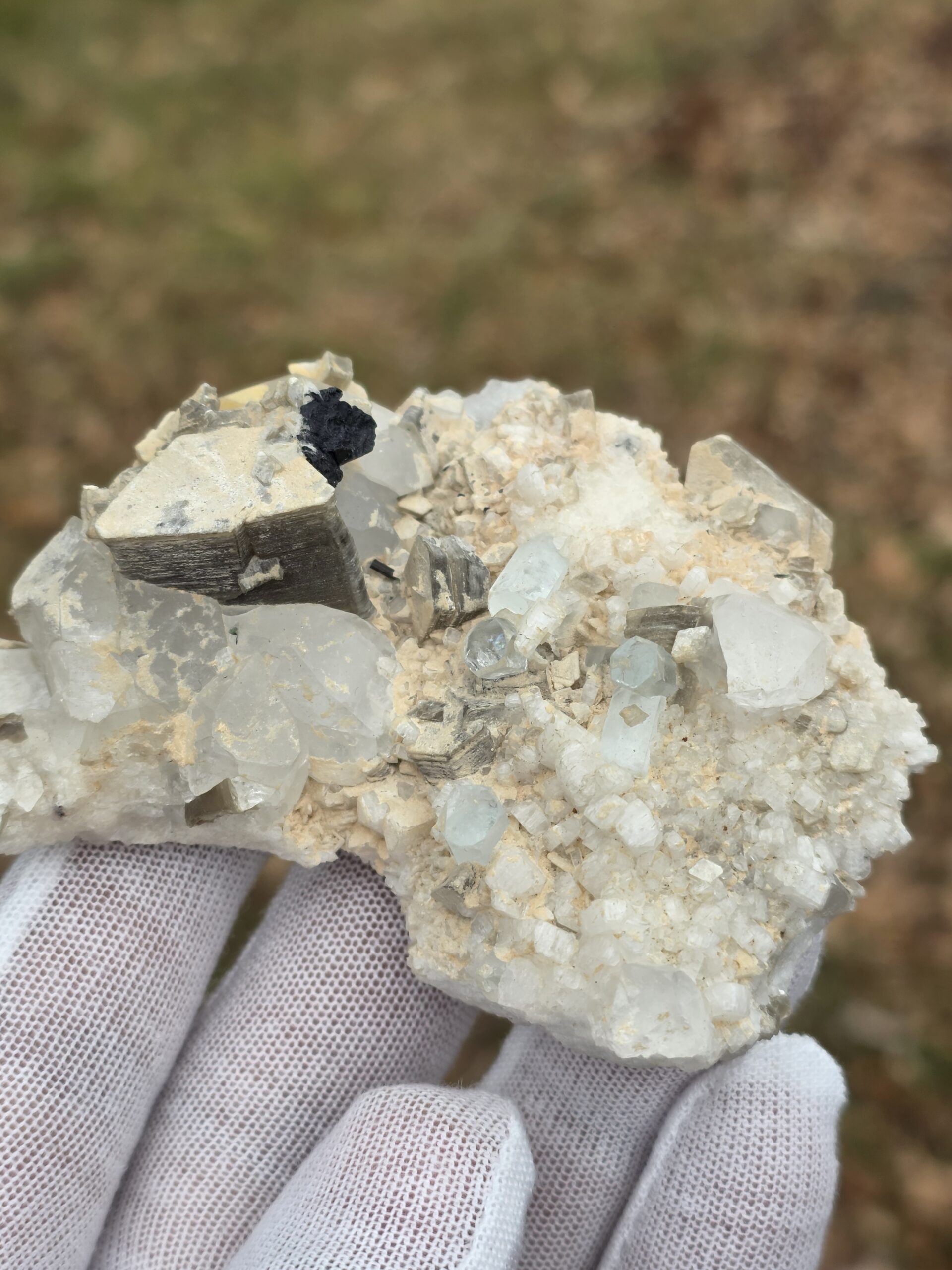
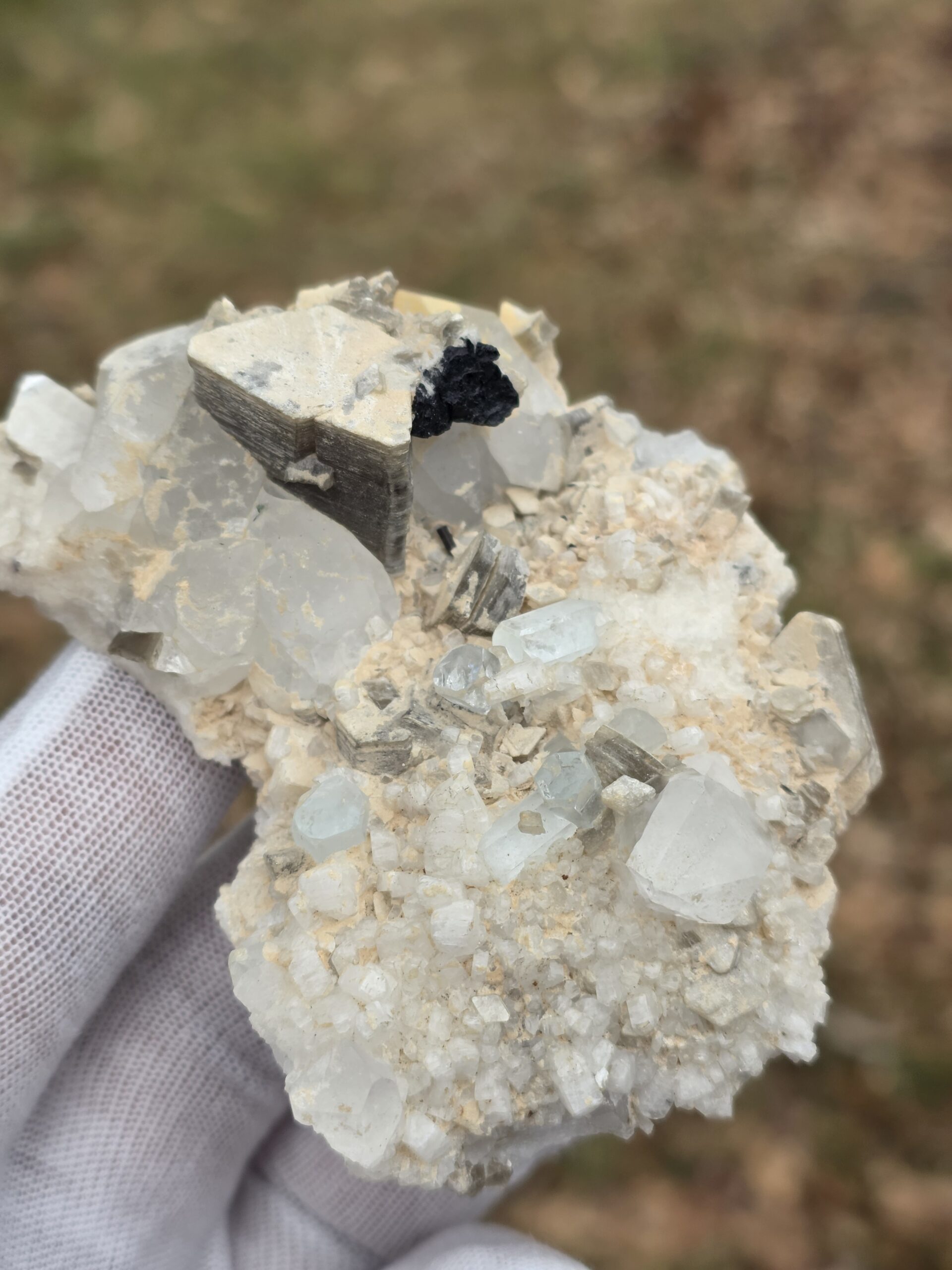
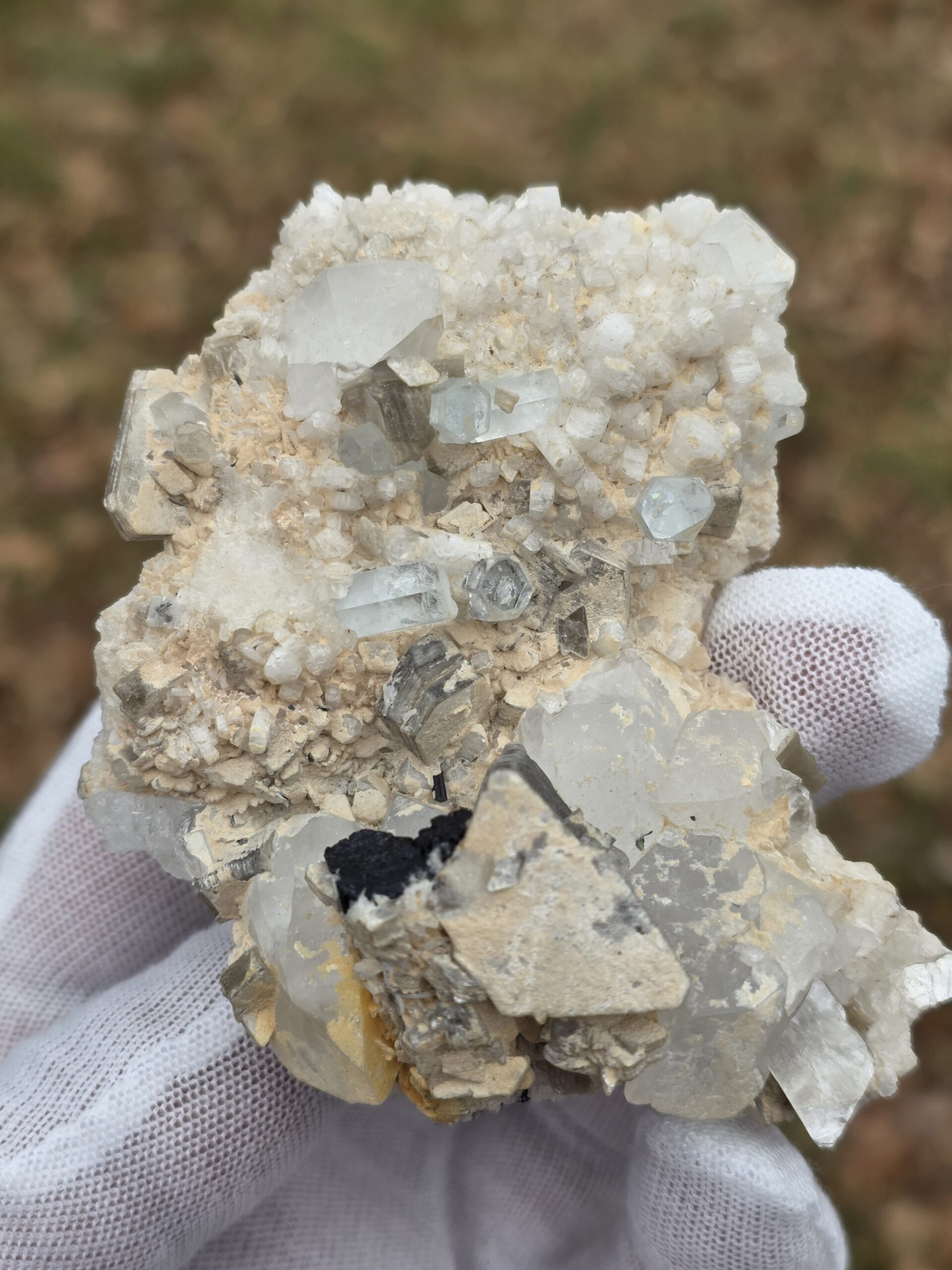
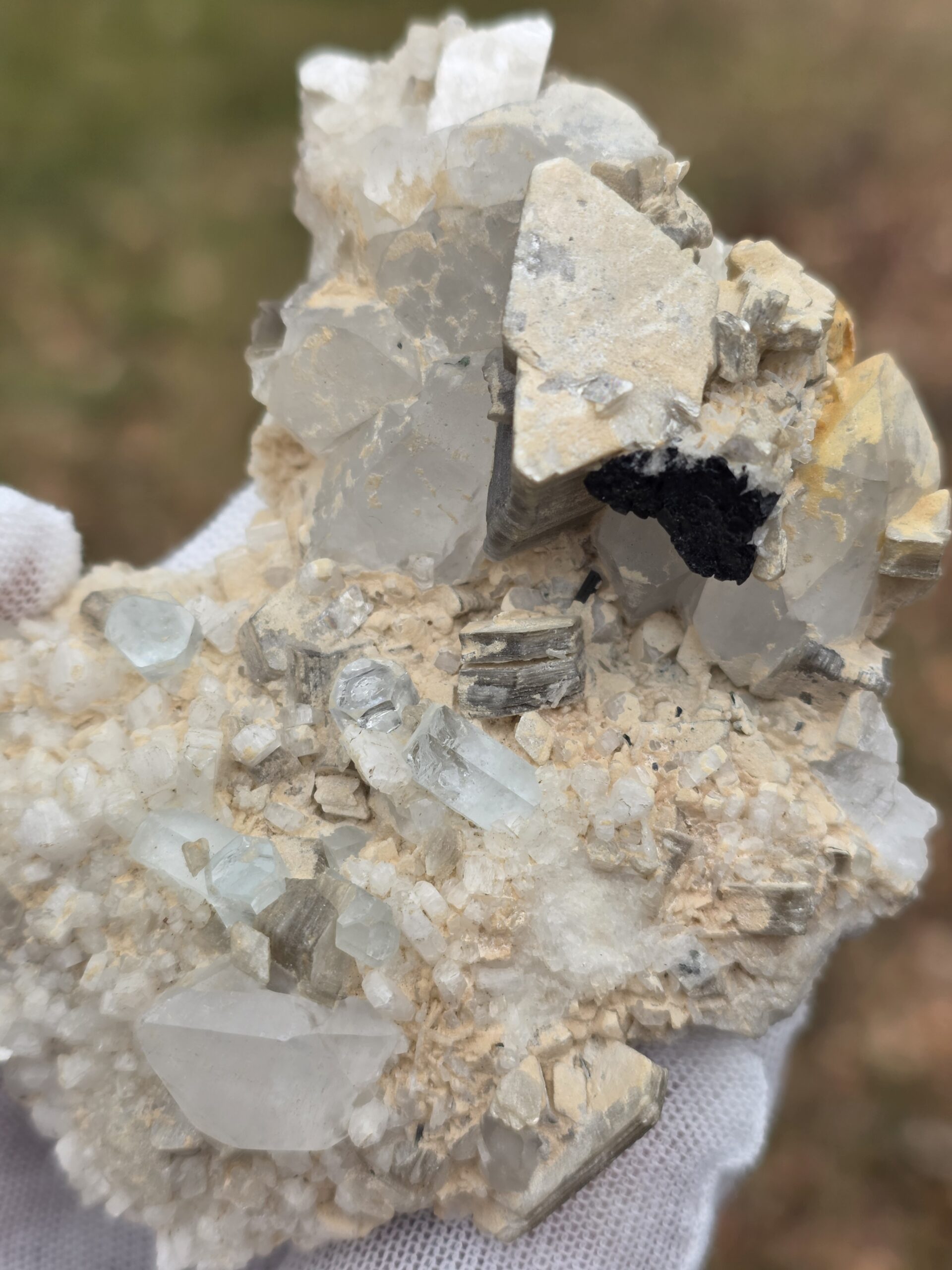
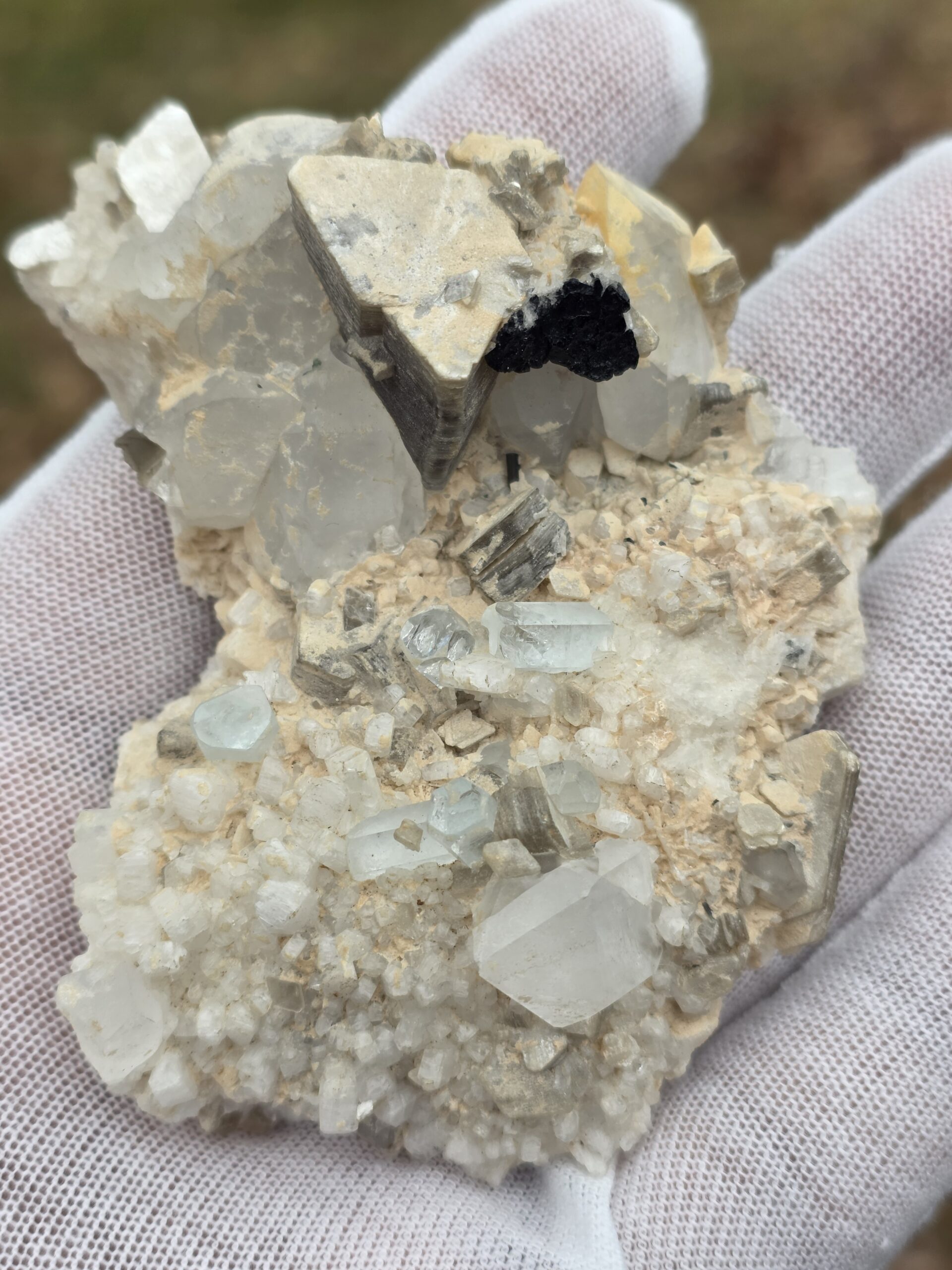
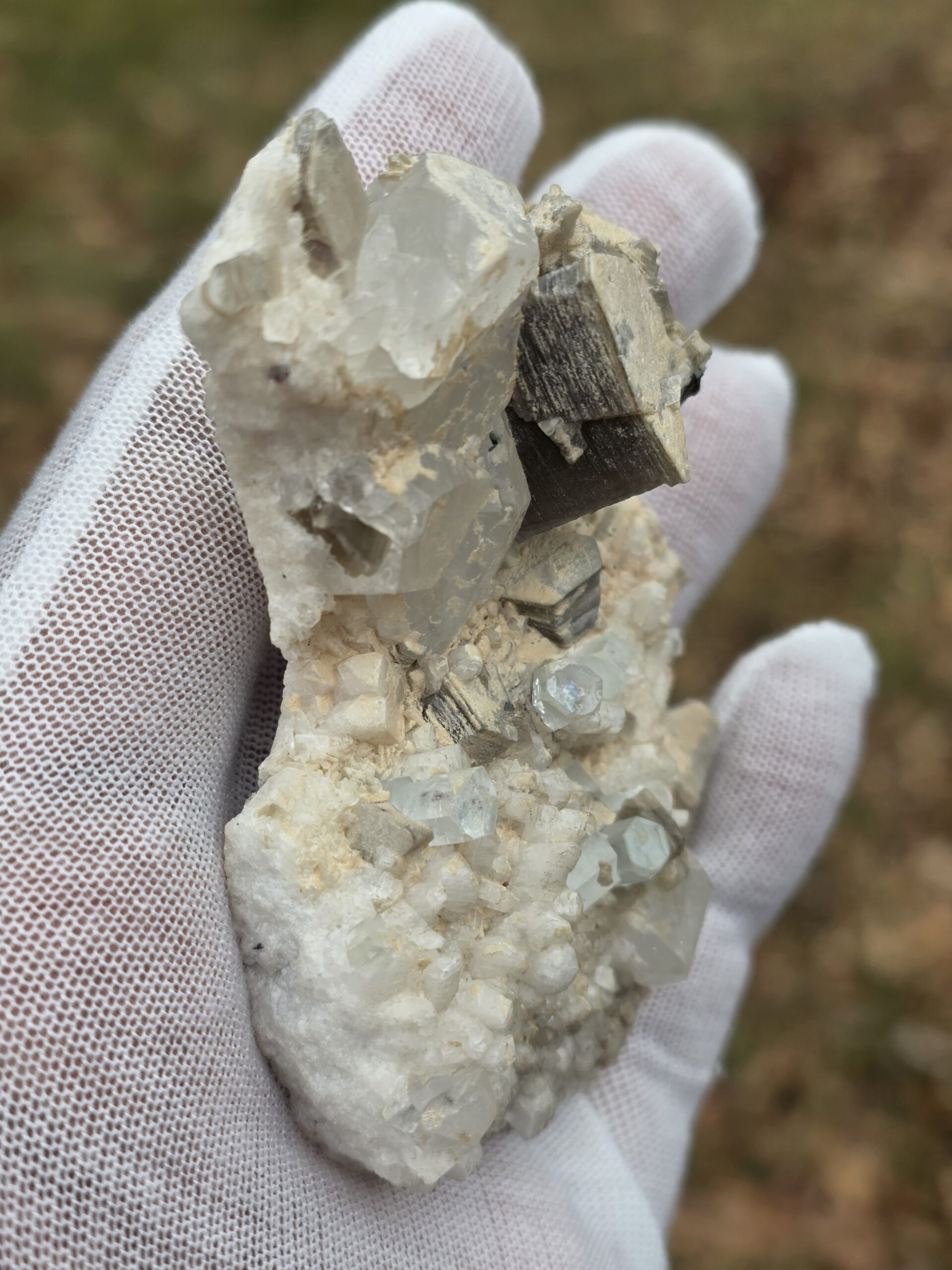
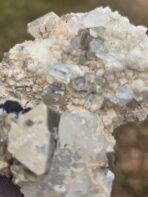
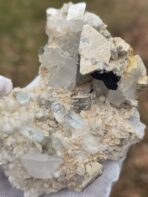
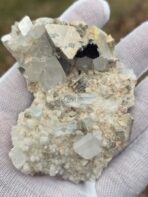
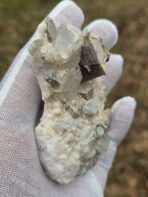
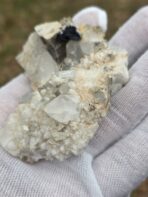
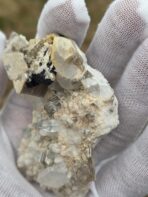
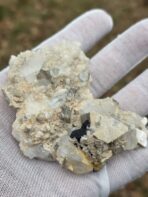
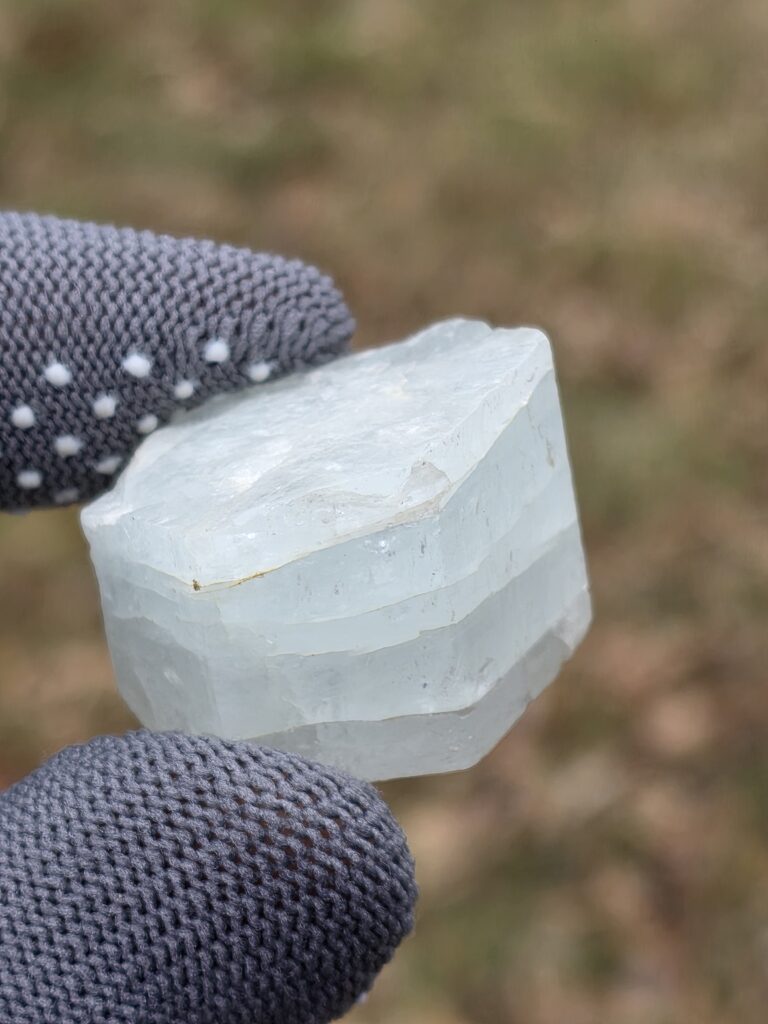
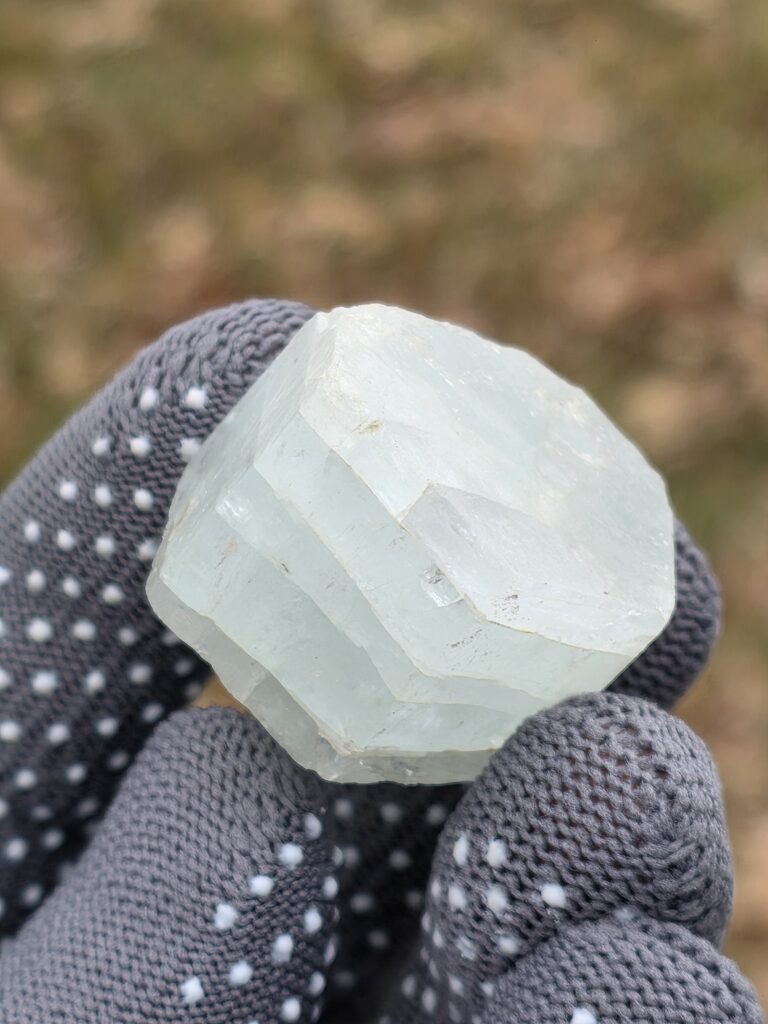
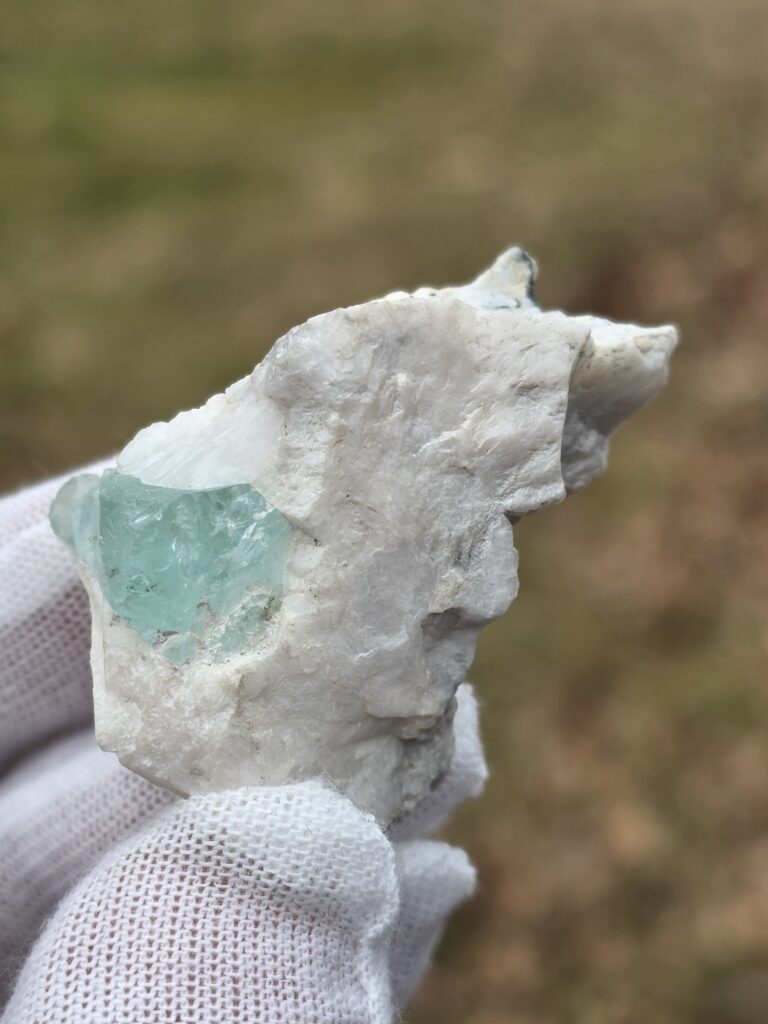
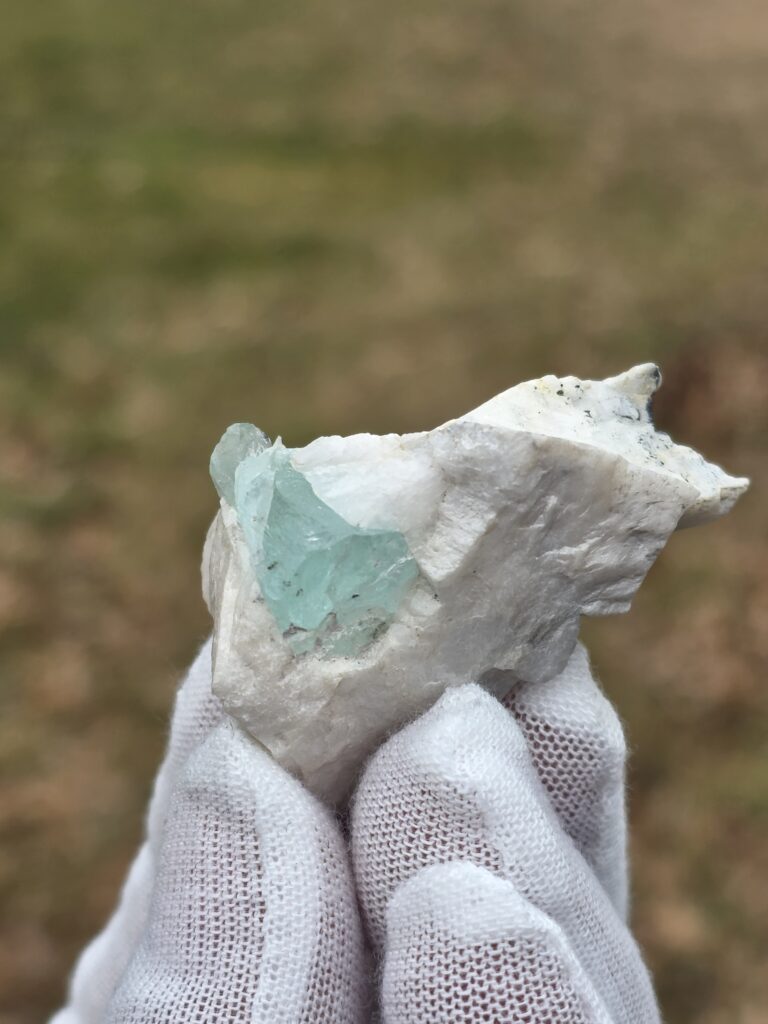
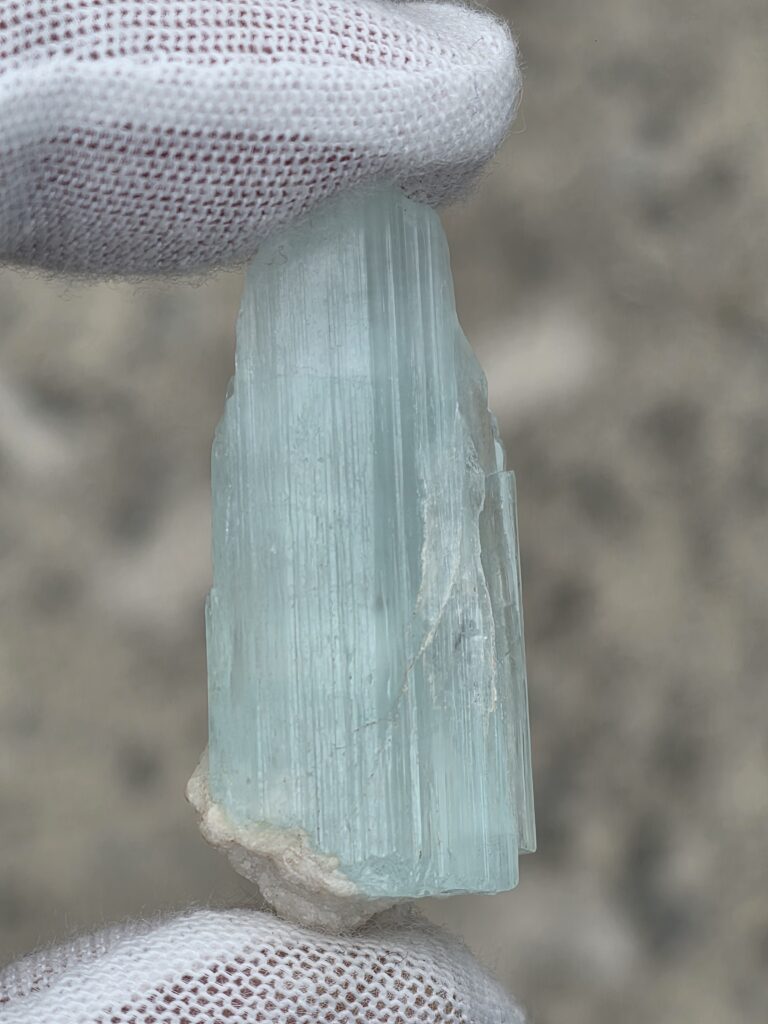
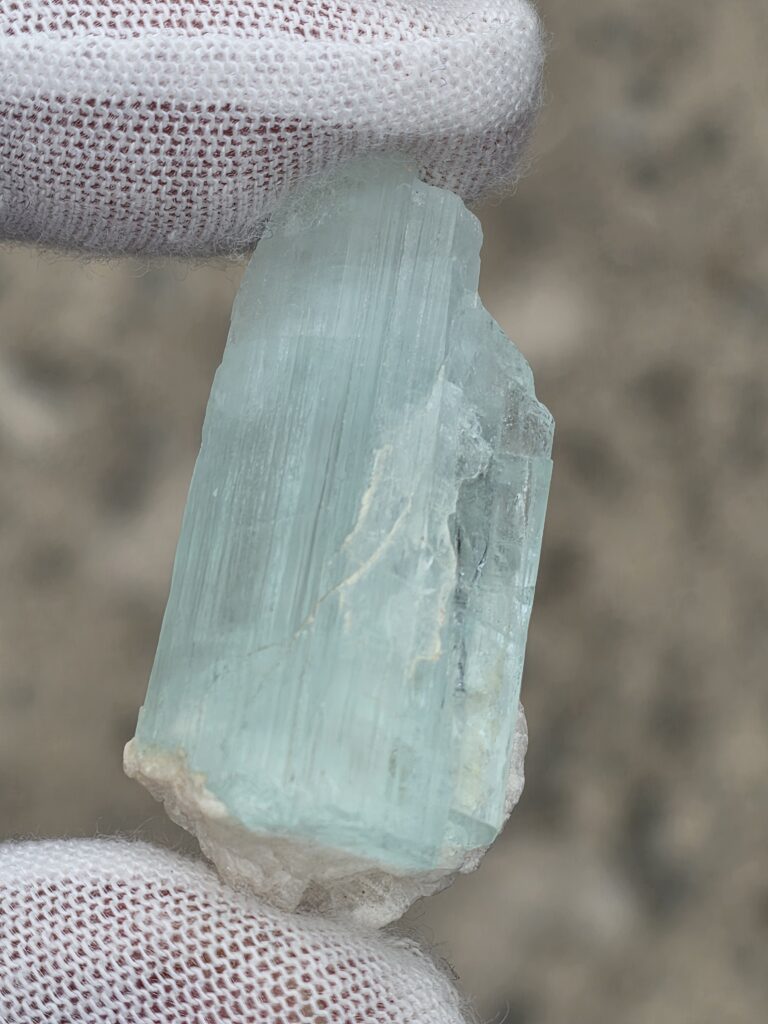
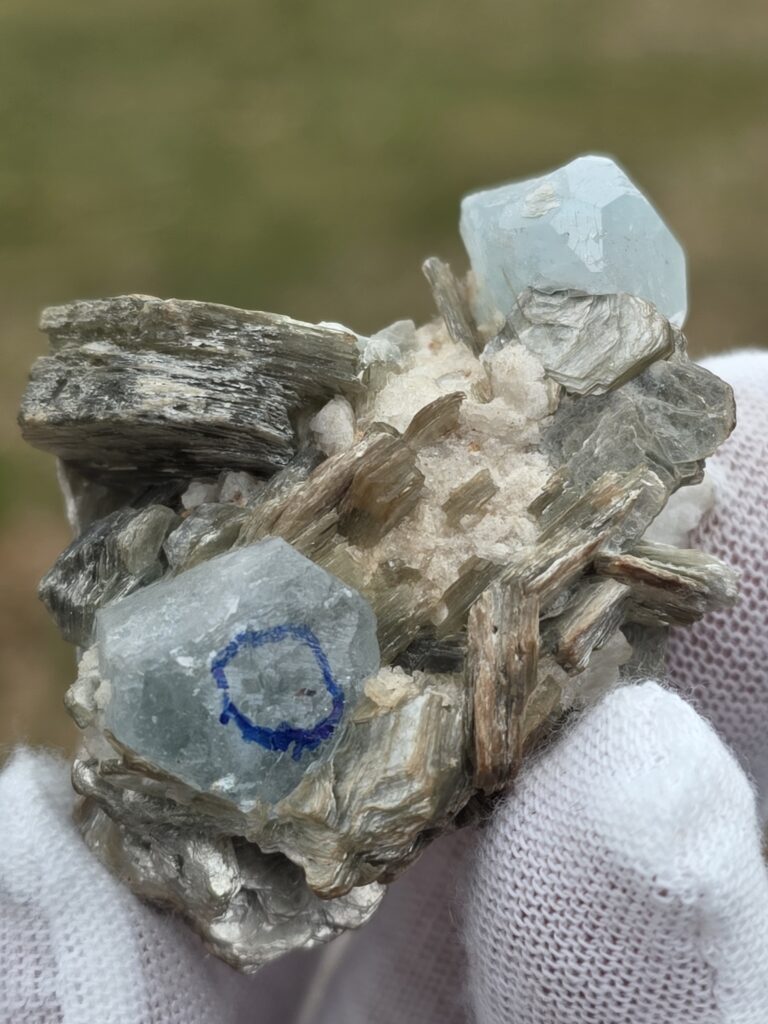
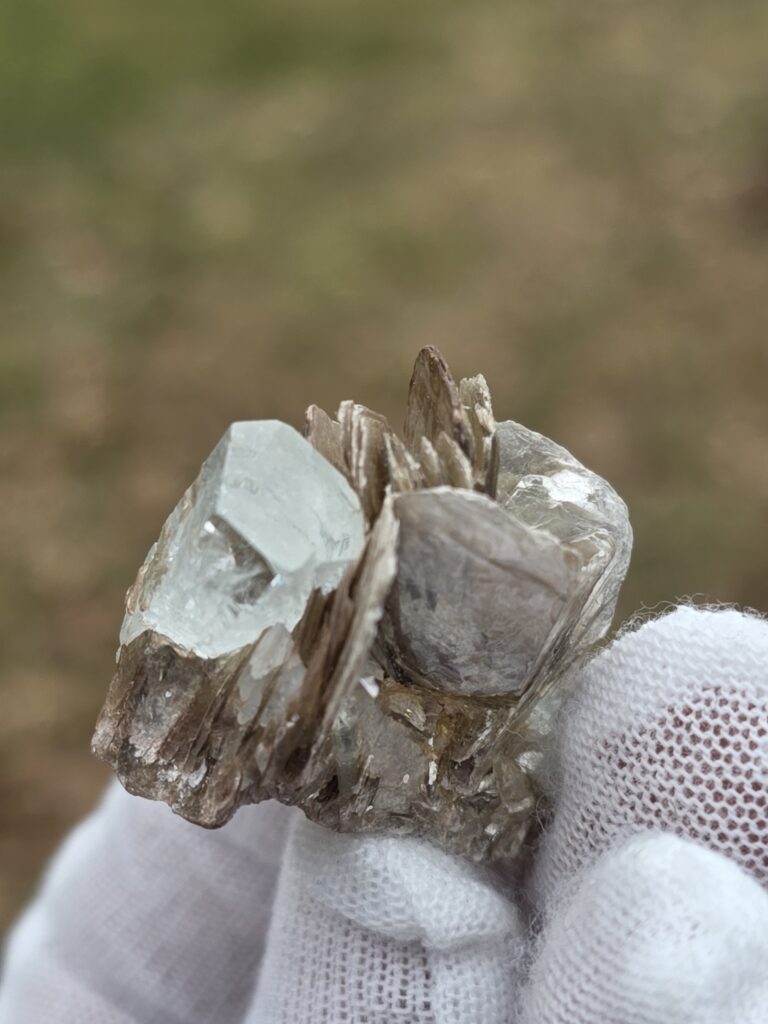
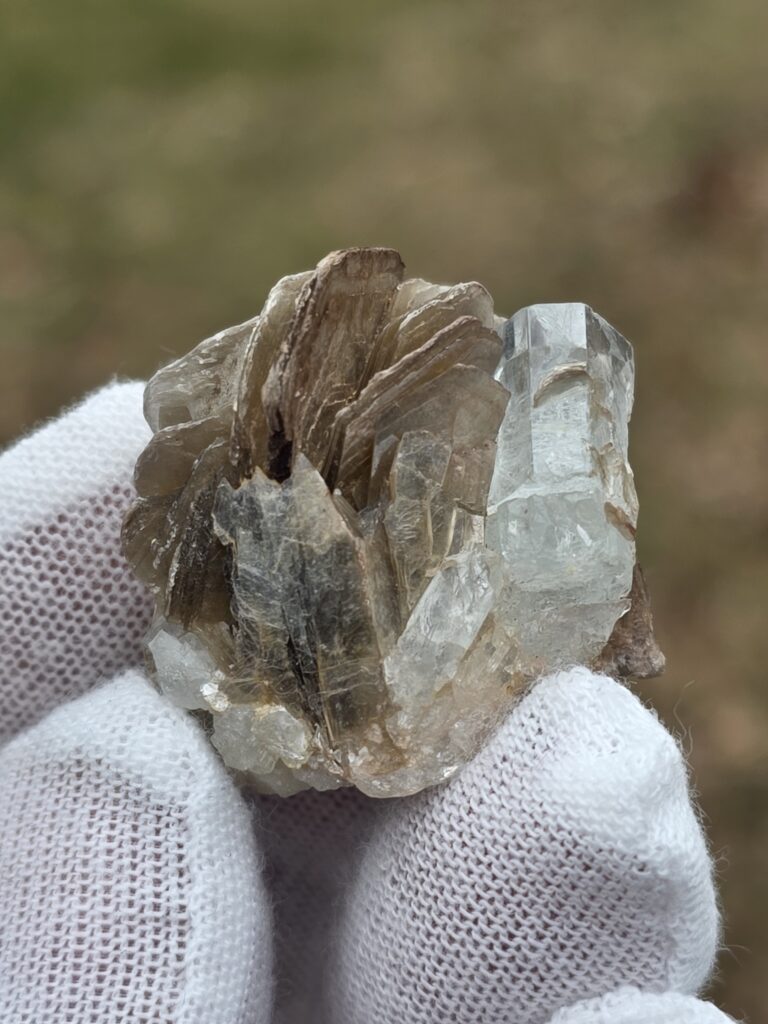
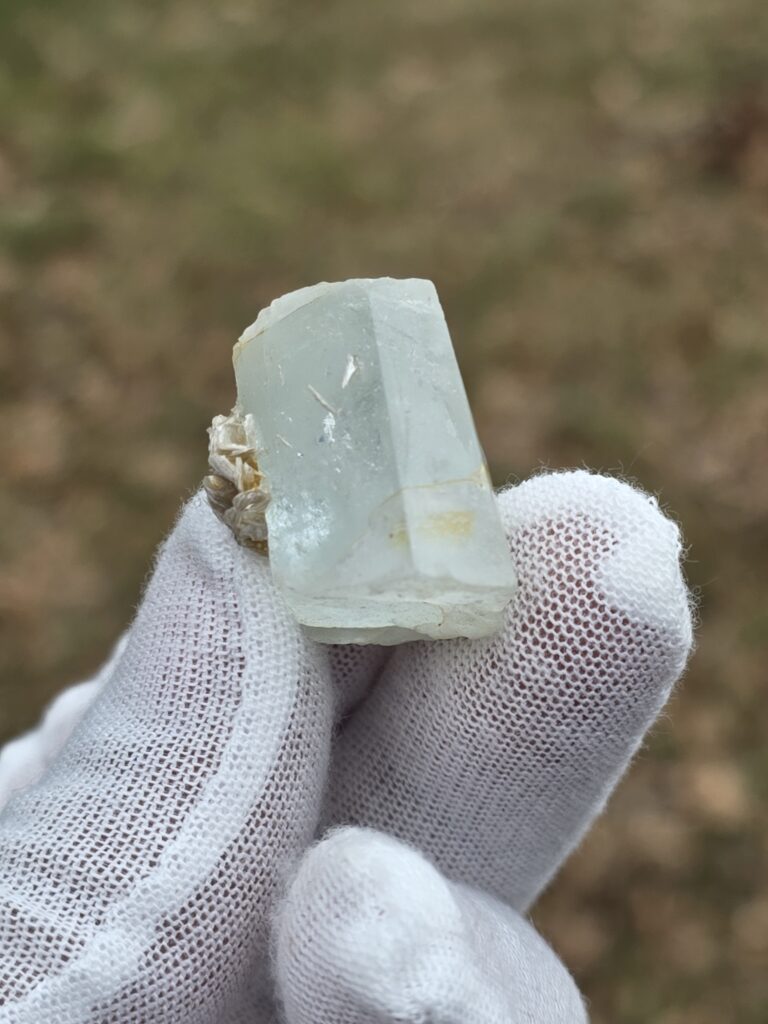
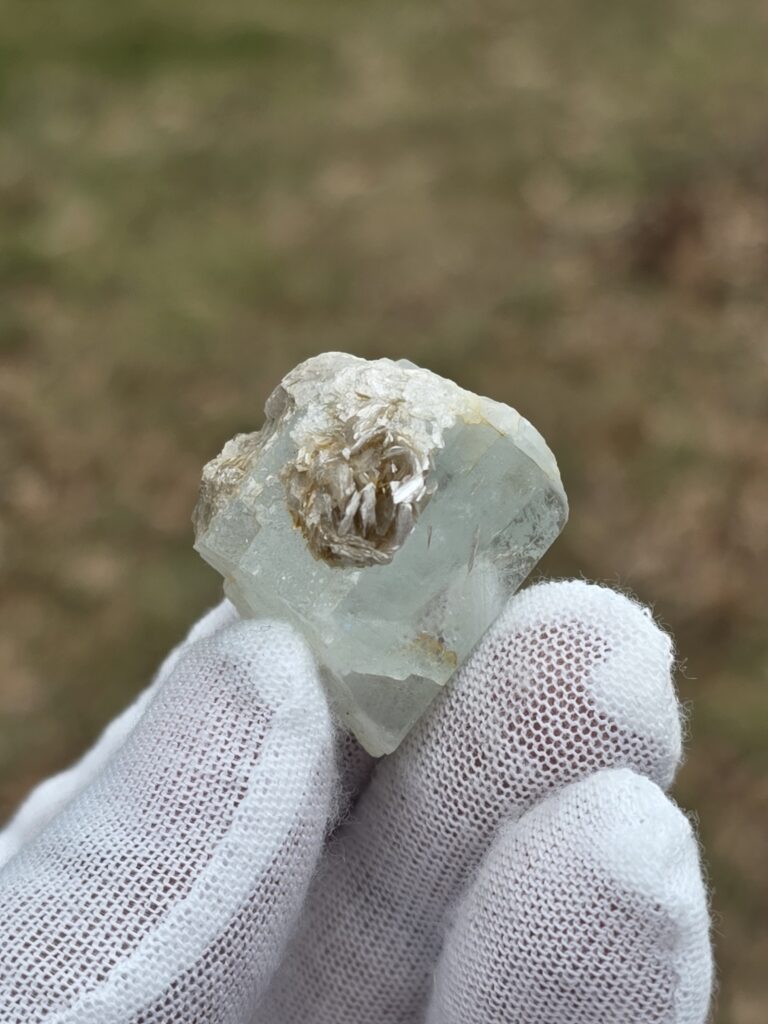
This 630.95-carat Pakistani specimen features a striking aquamarine crystal rising cleanly from a quartz–feldspar matrix, accompanied by scattered smaller aquamarine crystals, muscovite mica plates, and a distinct black tourmaline (schorl) crystal cluster. The main aquamarine exhibits excellent hexagonal form and clarity, characteristic of high-altitude pegmatite deposits from the Gilgit-Baltistan region. The combination of mica, quartz, feldspar, and tourmaline makes this a highly aesthetic and well-balanced multi-mineral display piece.
This specimen contains multiple aquamarine crystals, including:
✔ A prominent well-formed hexagonal prism
Very clear, pale blue color
Transparent to translucent
Distinct hexagonal termination, showing natural growth faces
Excellent clarity relative to typical Pakistani aquamarine matrix pieces
Stands vertically from the matrix, making it a strong display centerpiece
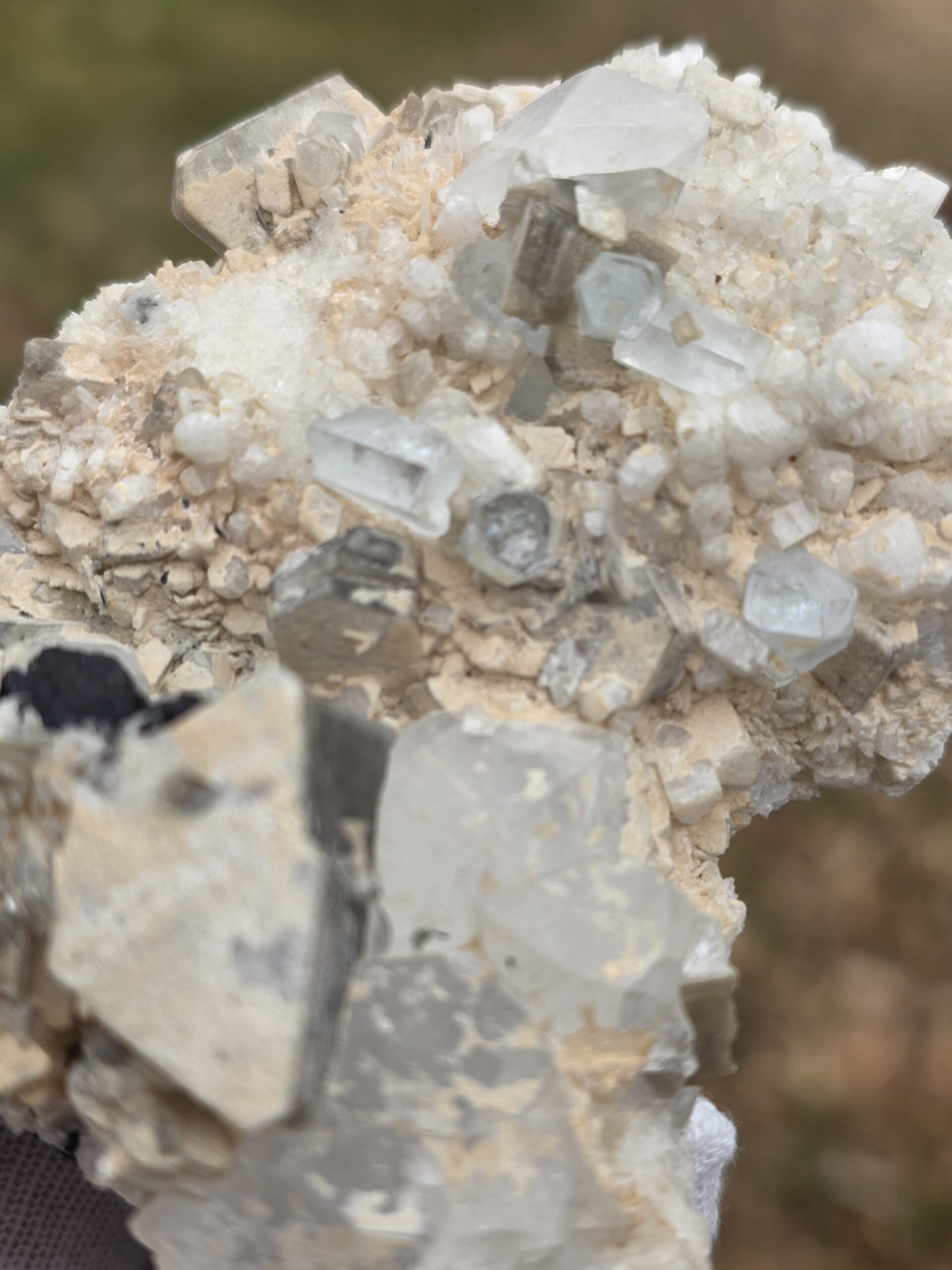
✔ Several smaller aquamarine crystals
Scattered across the matrix
Pale ice-blue coloration
Some partially embedded, others fully exposed
Natural internal veils and zoning typical of Himalayan pegmatite aquamarine
Aquamarine Properties
Chemical Formula: Be₃Al₂Si₆O₁₈
Luster: Vitreous, glassy
Hardness: 7.5–8
Crystal System: Hexagonal
Color Origin: Fe²⁺ → blue
This is a high-quality matrix piece due to the presence of a tall, clean aquamarine crystal.
1. Aquamarine (Blue Beryl)
Visible Characteristics
Several hexagonal prismatic aquamarine crystals are embedded throughout the specimen.
Colors range from pale icy blue to very light blue, typical of natural aquamarine from Pakistani pegmatites.
Transparency: Translucent to semi-transparent
Crystal faces appear naturally etched or partially dissolved, a common feature caused by late-stage hydrothermal fluids.
2. Secondary Mineral: Muscovite Mica
Large books and stacks of muscovite mica are clearly visible.
Visible Indicators
Silvery-gray, layered sheets
Pearly luster
Perfect basal cleavage
“Book-like” crystal habit
Intergrown around aquamarine pockets
Muscovite is a classic pegmatite mineral often found with beryl in the Pakistani Himalaya.
3. Quartz (Abundant Accessory Mineral)
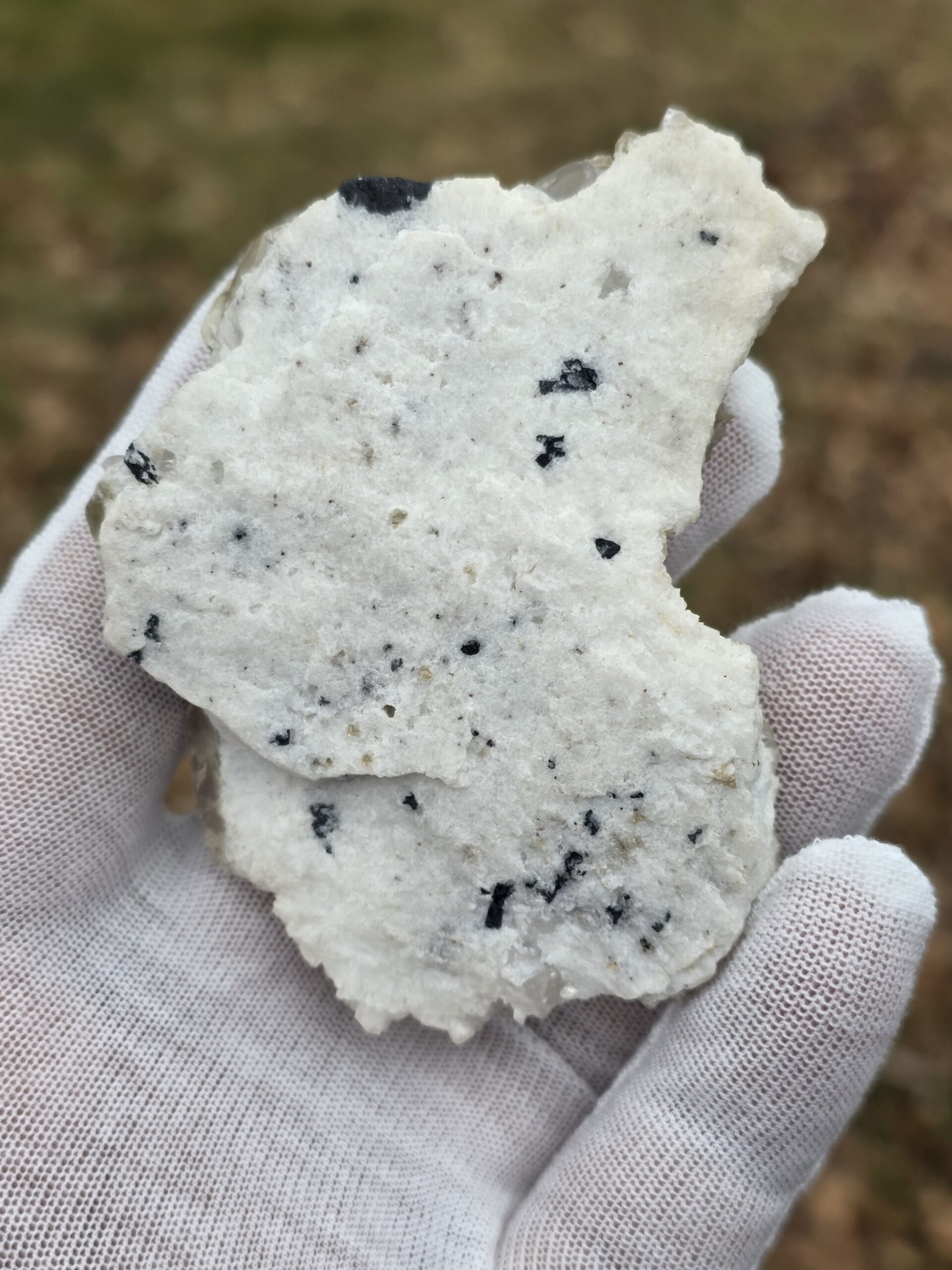
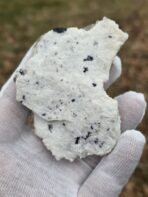
Much of the white and semi-transparent matrix is massive quartz.
Visible Characteristics
Milky to translucent
Interlocking crystals
Grainy to blocky habit
Some larger terminated quartz crystals present at the edges
Provides a bright contrasting base for aquamarine
Quartz is almost always part of aquamarine-bearing pegmatites.
4. Feldspar (Likely Microcline or Albite)
Several cream-beige crystal masses appear to be feldspar.
Identification Clues
Blocky crystalline structure
Matte to slightly pearly luster
Weathered surface with beige tones
Associated with muscovite clusters
Feldspar is another key indicator of granitic pegmatite environments.
5. Black Tourmaline (Schorl)
In one of the photos, a noticeable black crystal cluster is present.
Features of Schorl
Jet-black coloration
Irregular to prismatic habit
Strong contrast against mica and quartz
Common accessory mineral in aquamarine pockets
This adds significant aesthetic appeal as multi-mineral specimens are more valuable.
6. Geological Context (Northern Pakistan Pegmatites)
The visual mineralogy strongly indicates origin from the Himalayan pegmatite belt—most likely from:
Shigar Valley
Skardu District
Haramosh / Gilgit-Baltistan high-altitude pegmatites
Formation Environment
Aquamarine forms in rare-element granitic pegmatites, where:
Quartz + Feldspar crystallize first.
Muscovite develops in large flakes and books.
Late-stage beryllium-rich fluids form aquamarine in open cavities.
Tourmaline may crystallize from boron-rich fluids.
This specimen reflects textbook pegmatite mineralogy with excellent structural diversity.
Condition & Authenticity Assessment
100% natural aquamarine
Unheated and untreated
No dyeing, coating, or stabilization
Retains original growth surfaces and internal crystal features
Suitable for:
Mineral specimen collections
Display pieces
Educational or certification purposes
asimriaz –
Excellent Stone