


Certified 47.65ct Natural Aquamarine & Mica Cluster from Pakistan – Sparkling Pegmatite Mineral Specimen
GLverify.com Certificate No: 901126545415
Certified Value: US $65.00
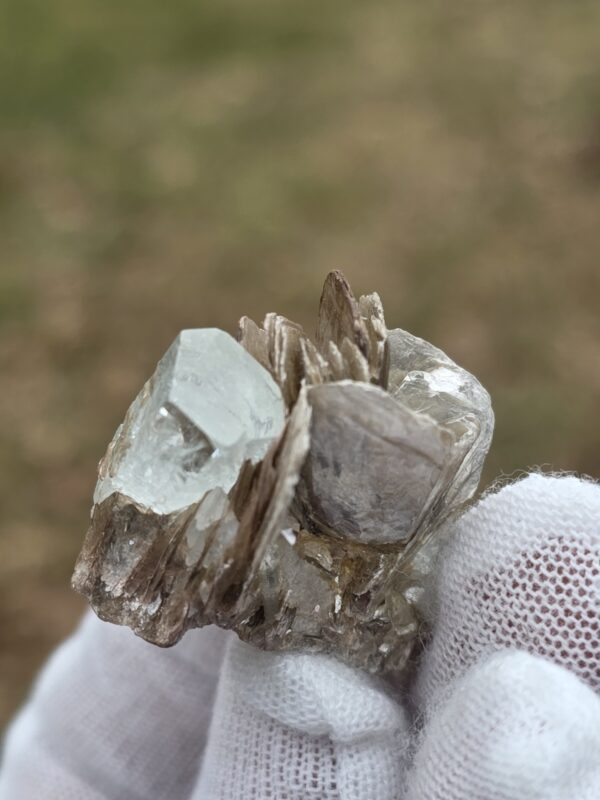
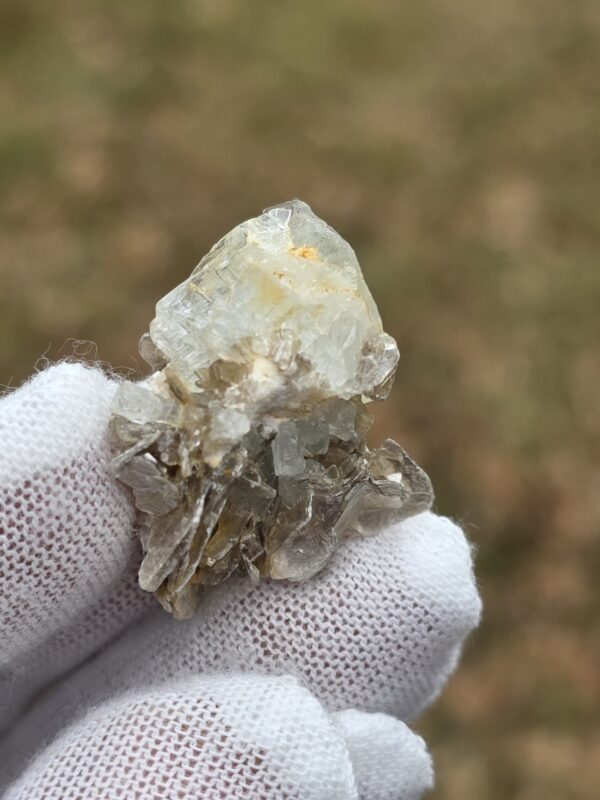
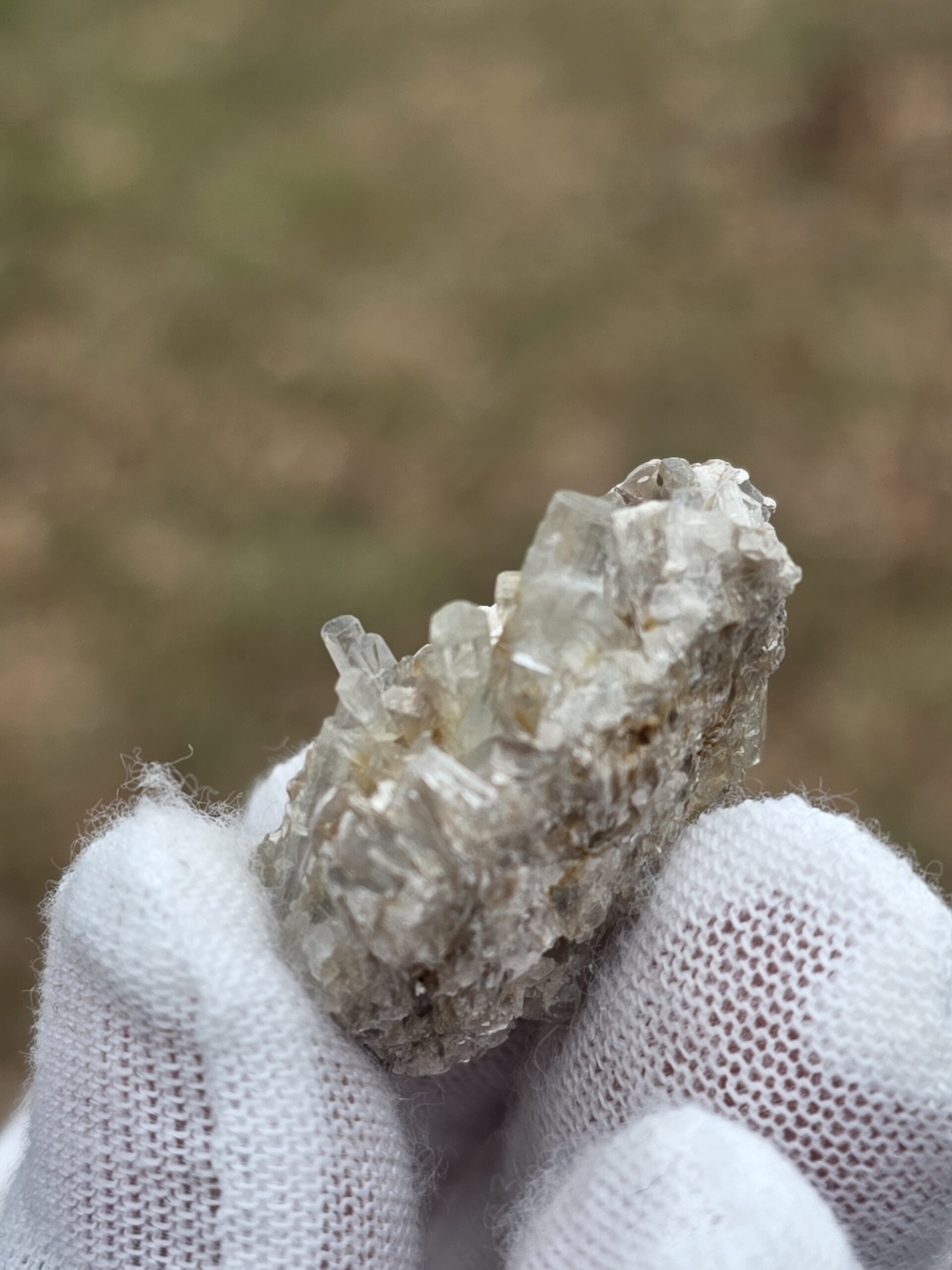
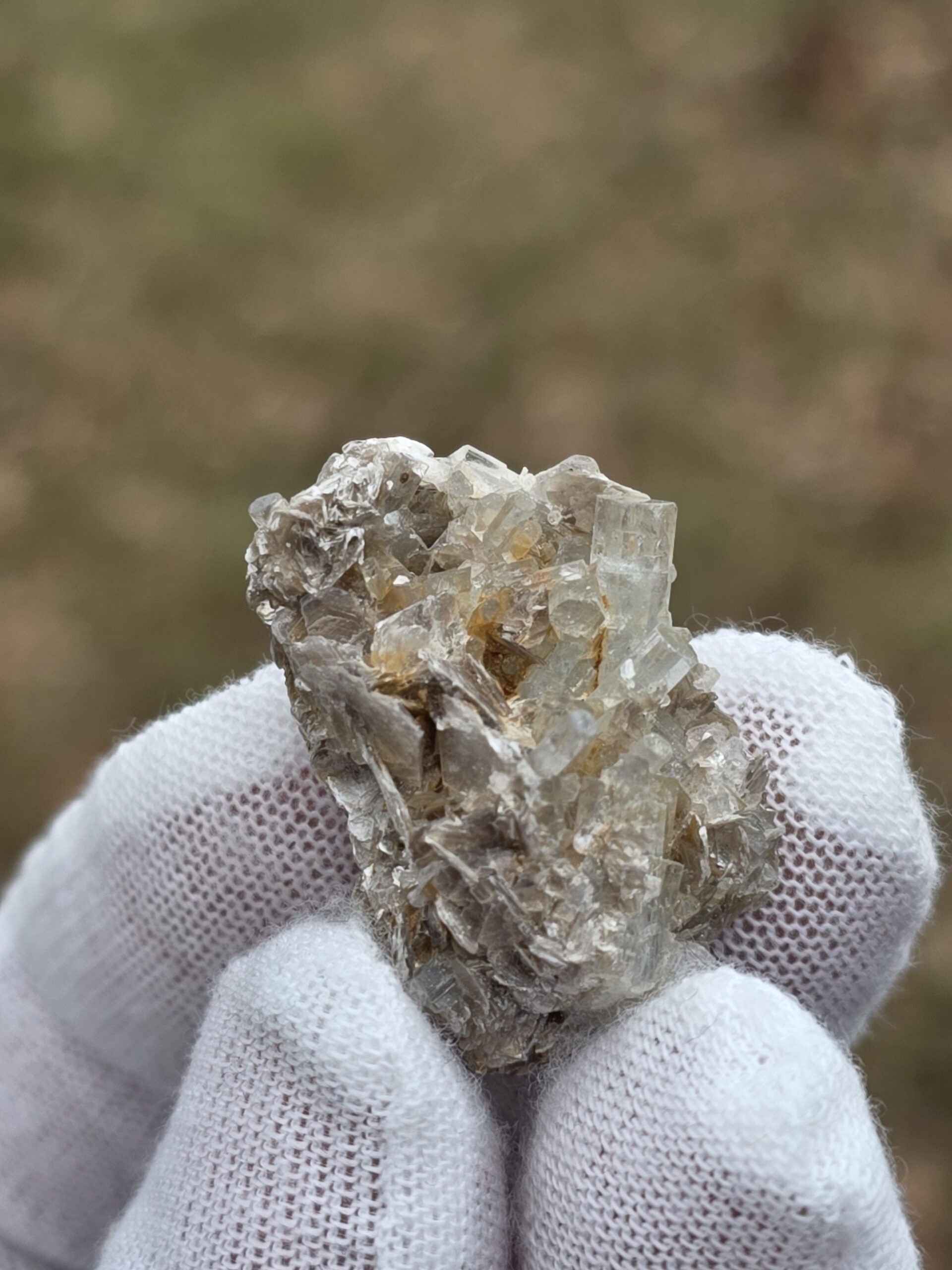
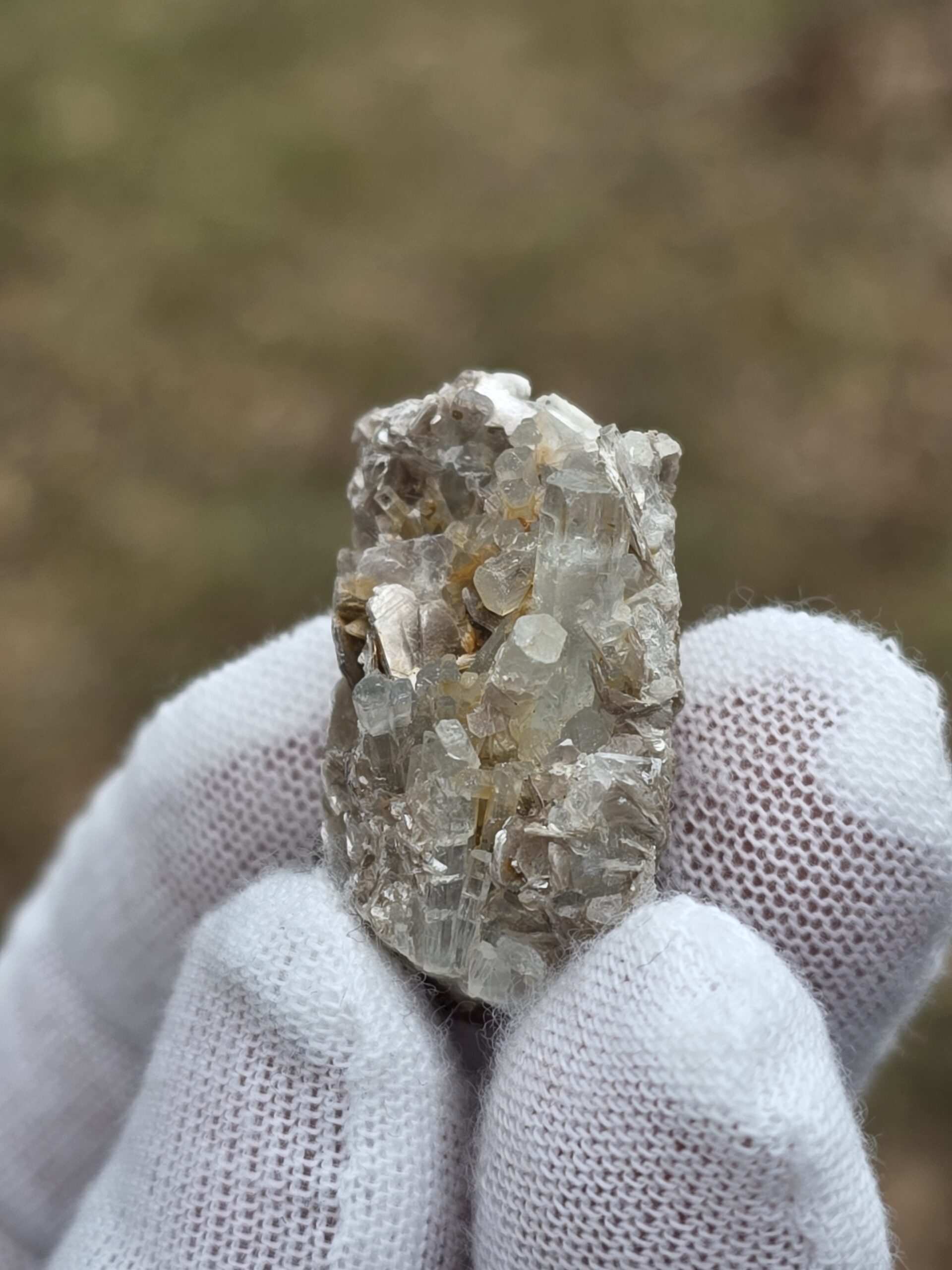
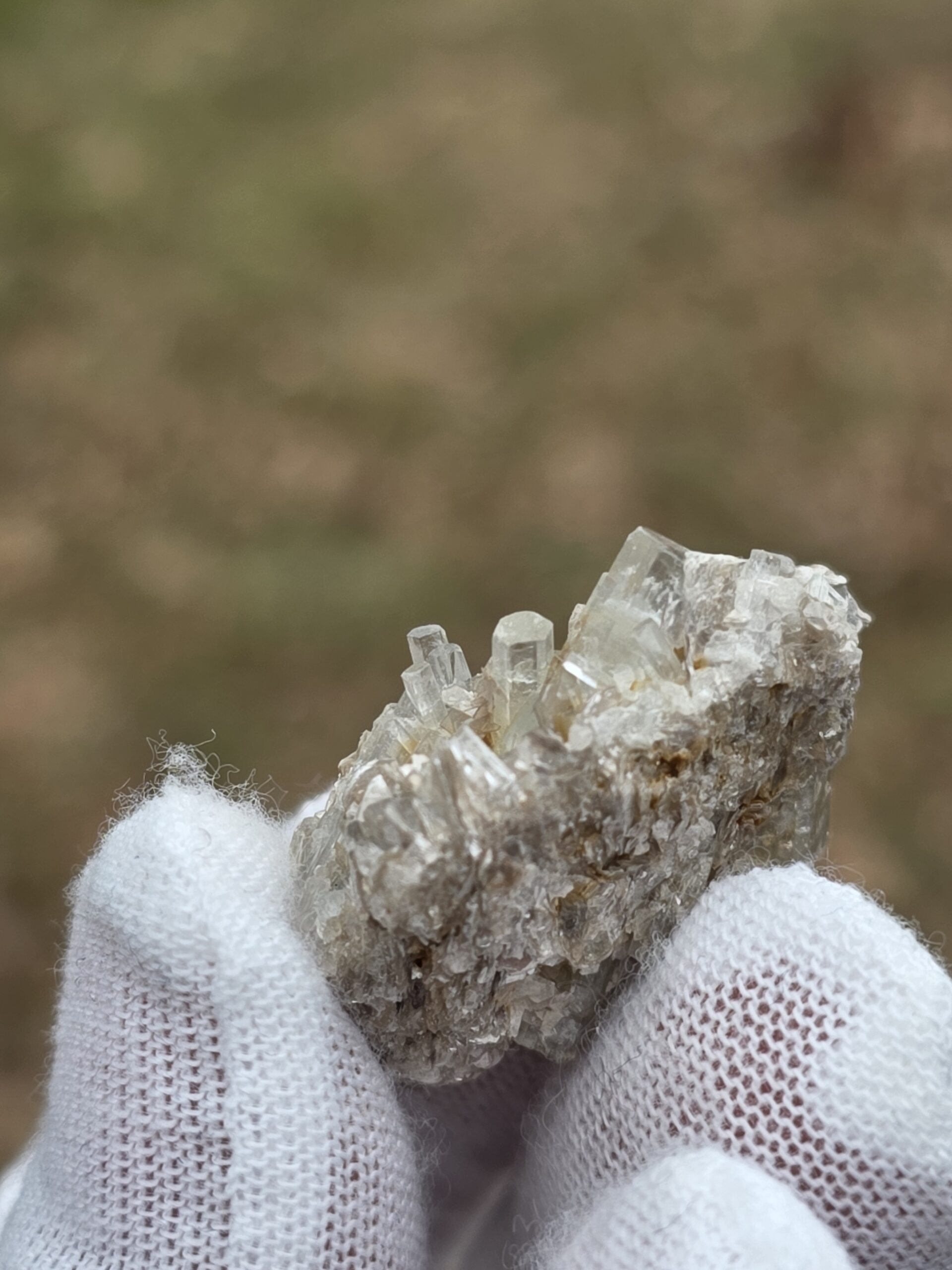
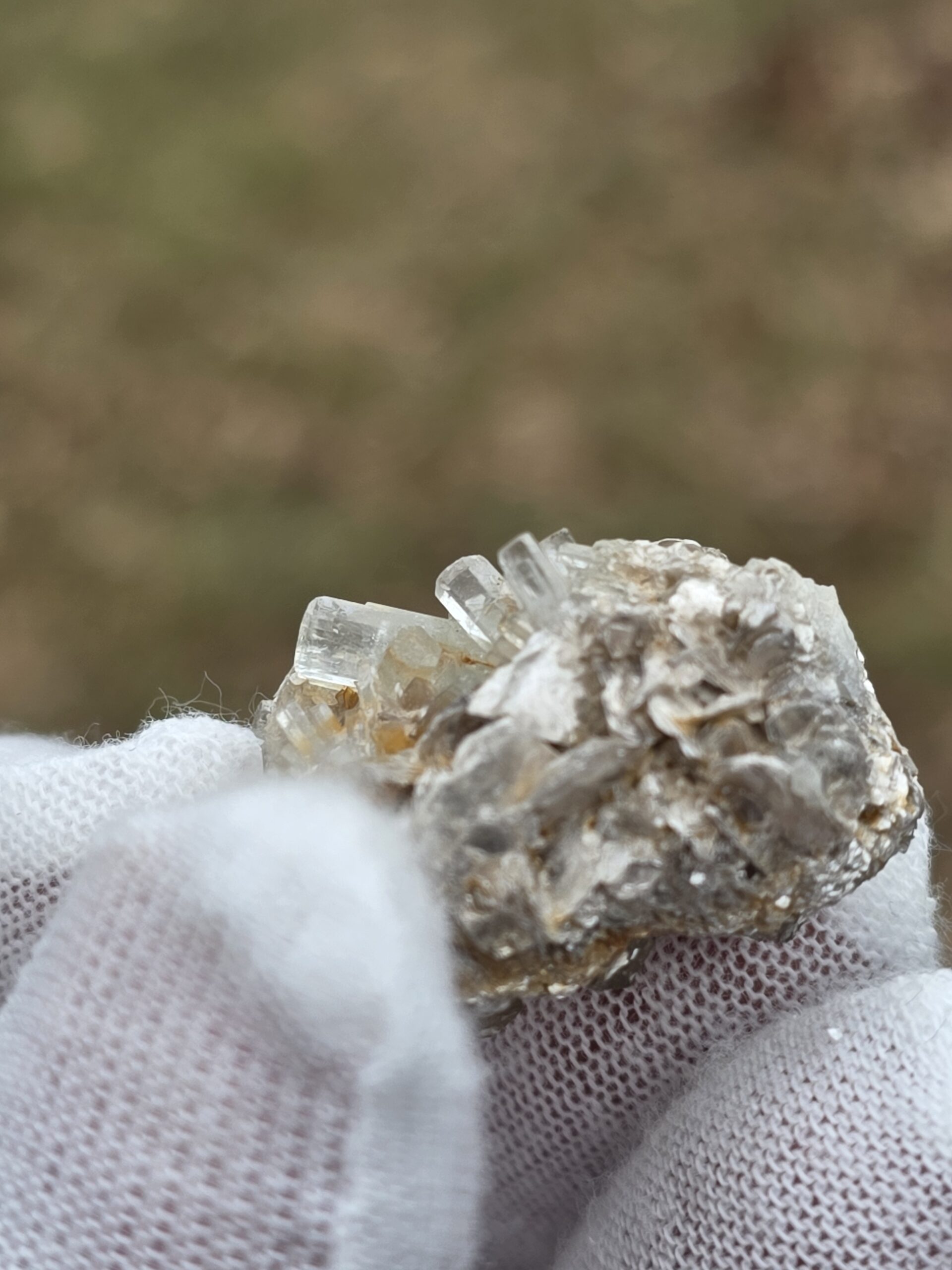
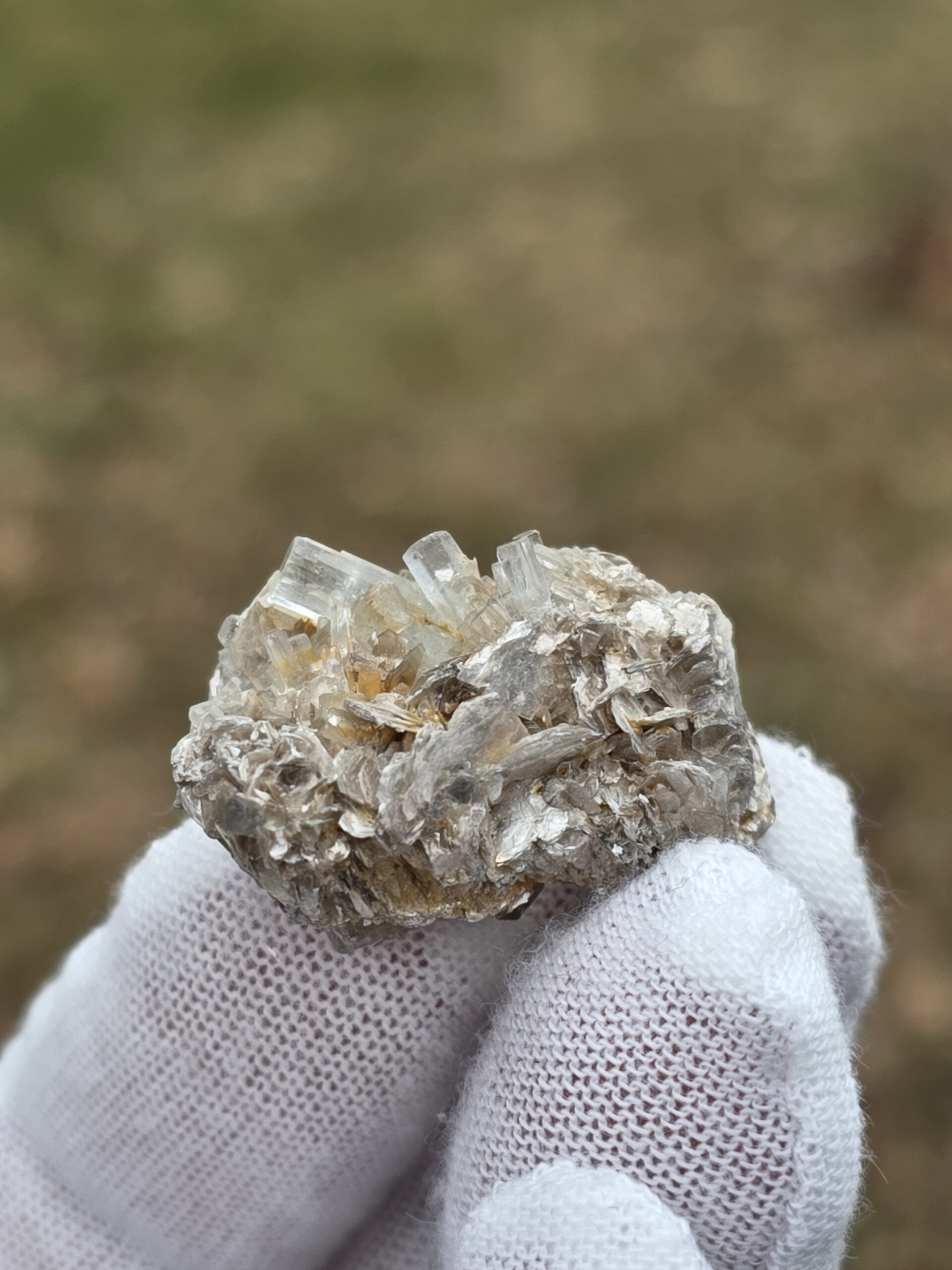
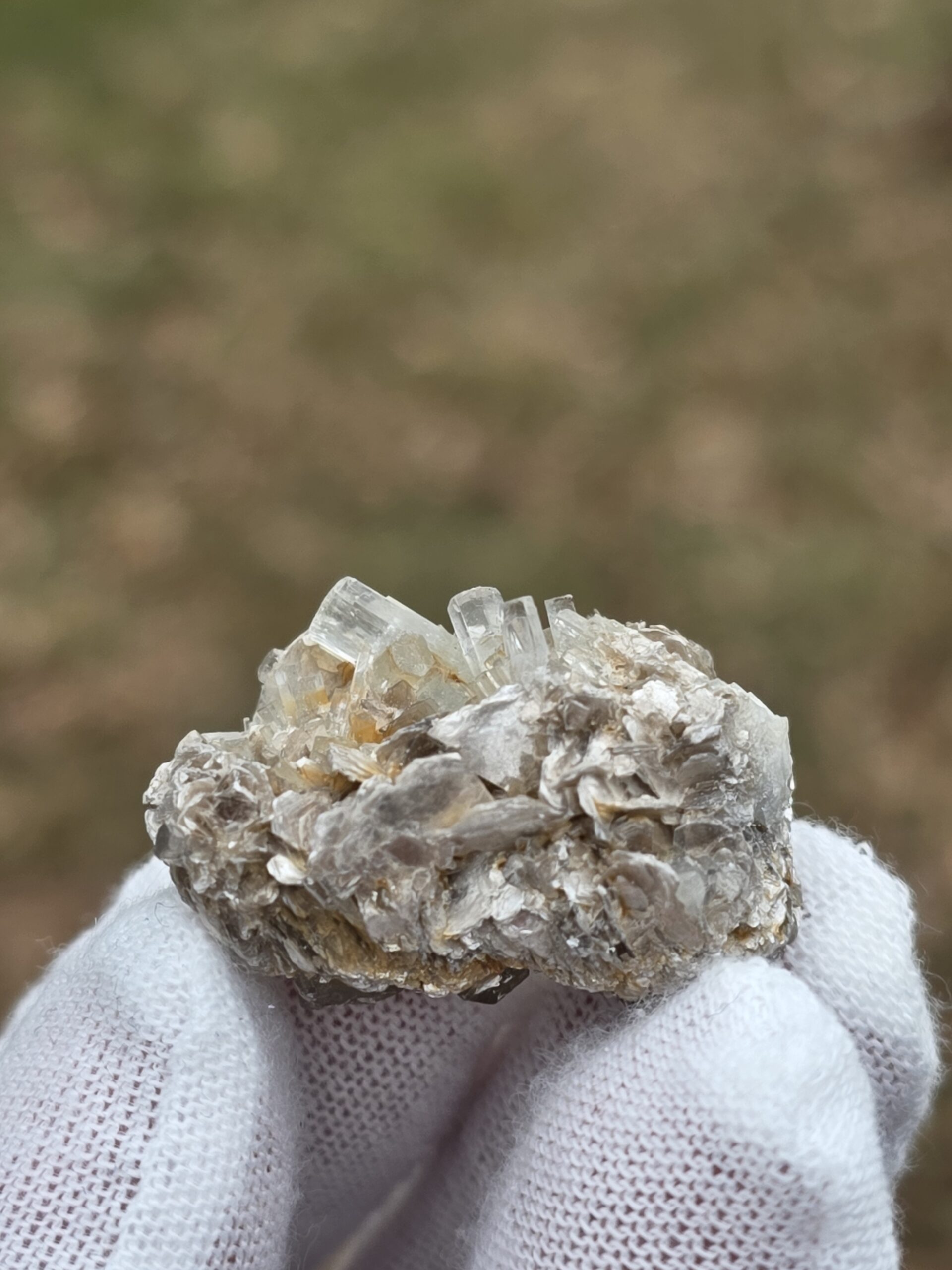
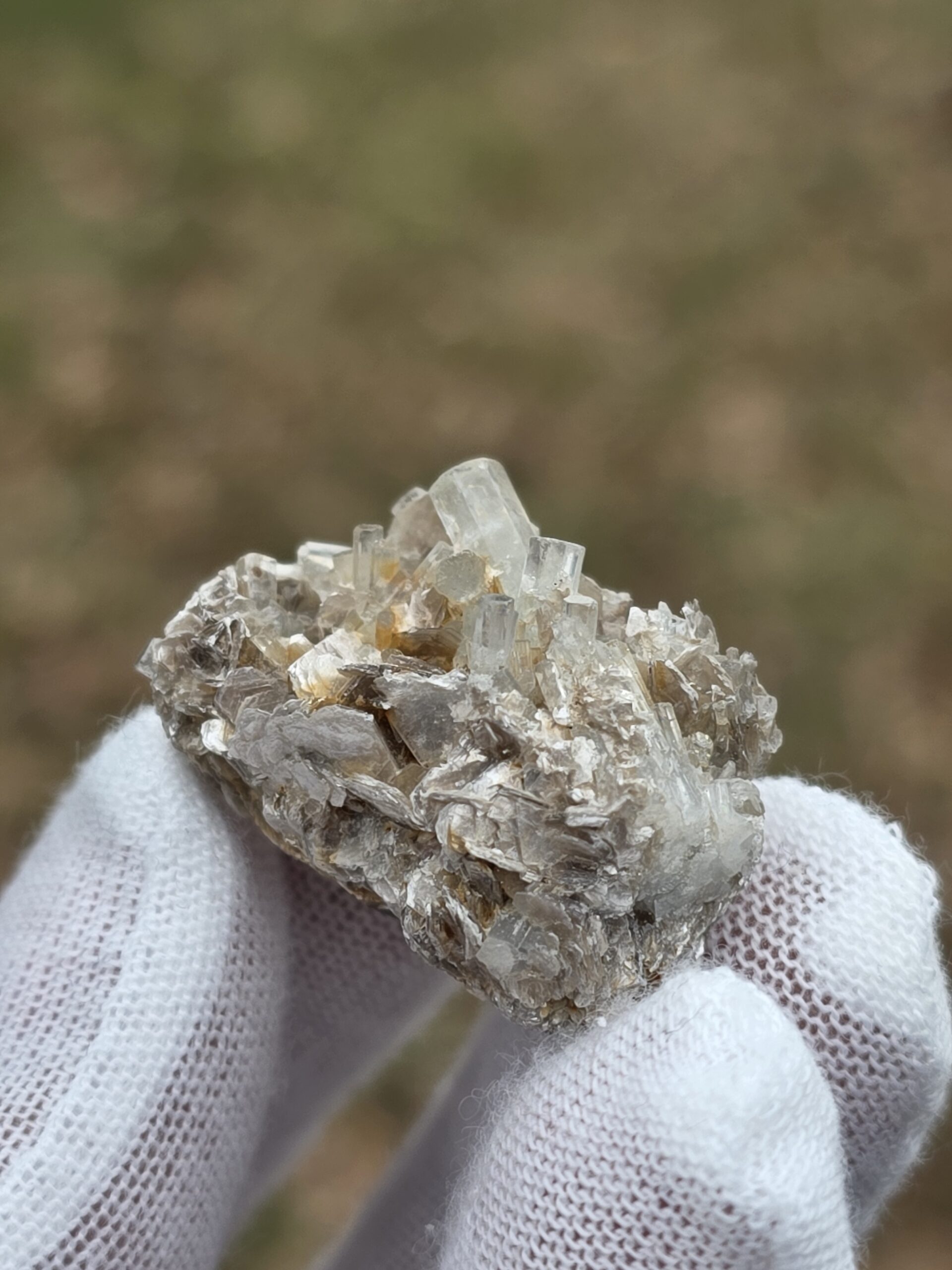
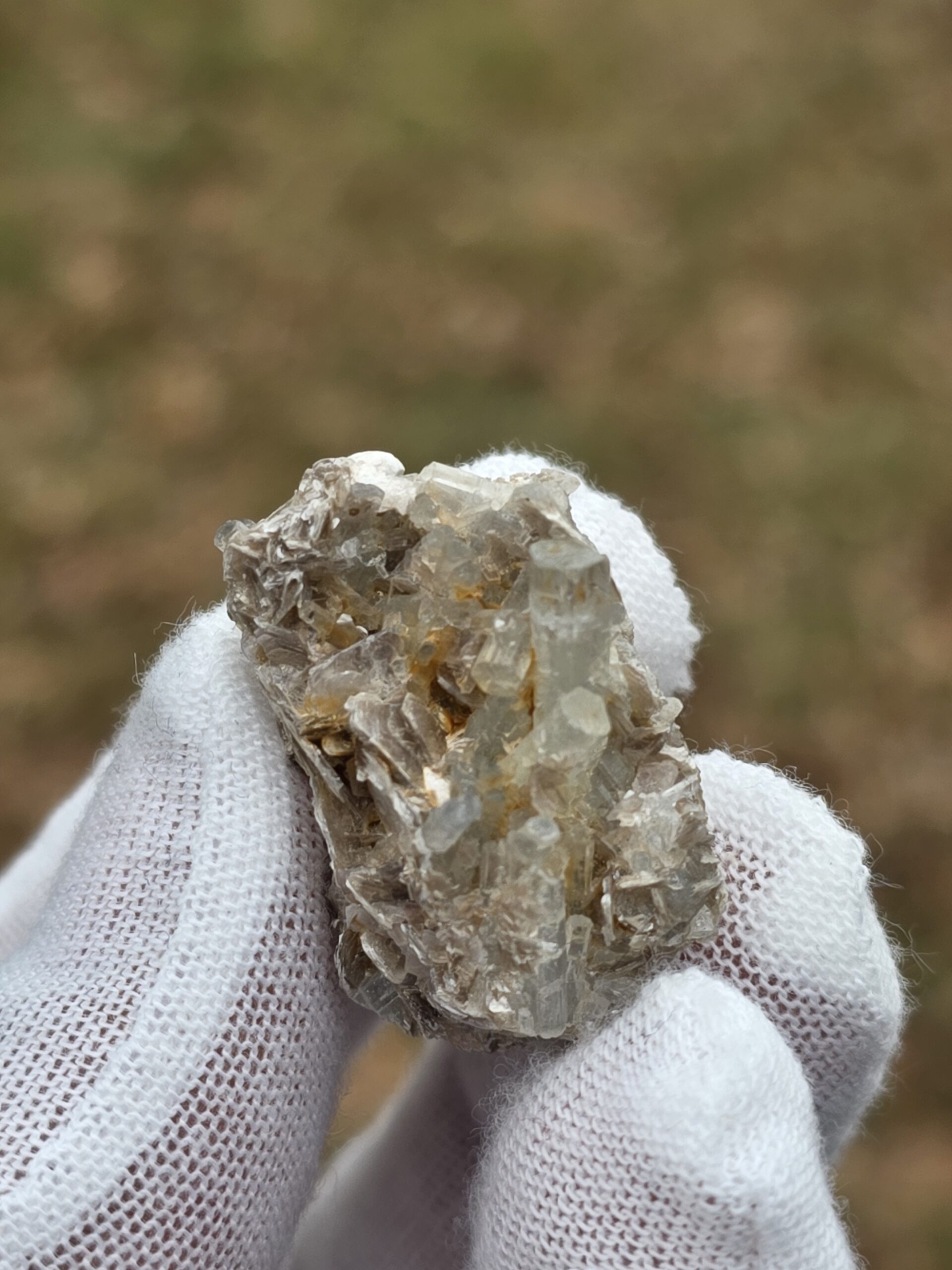
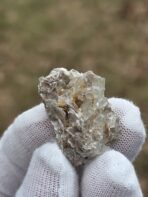
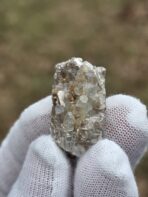
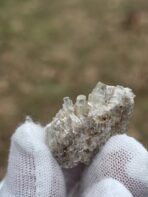
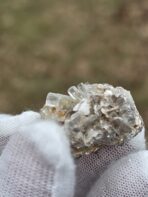
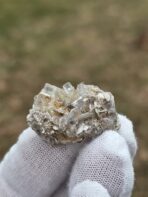
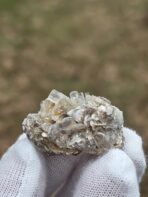
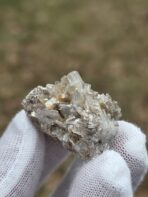
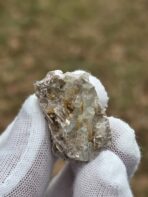
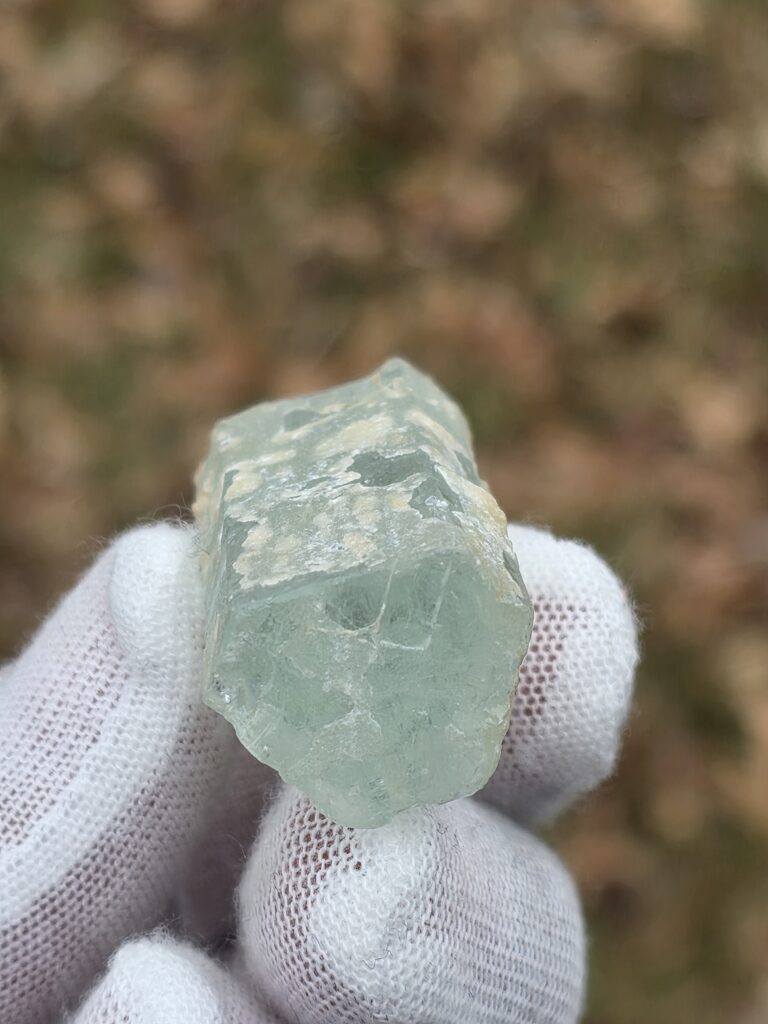
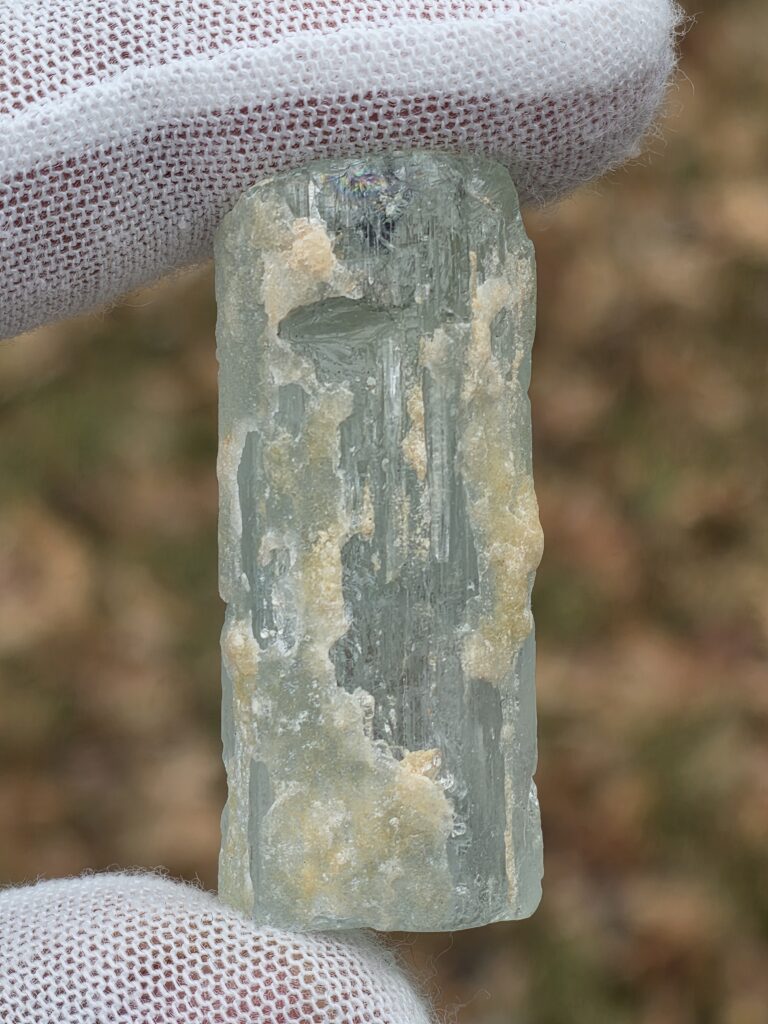
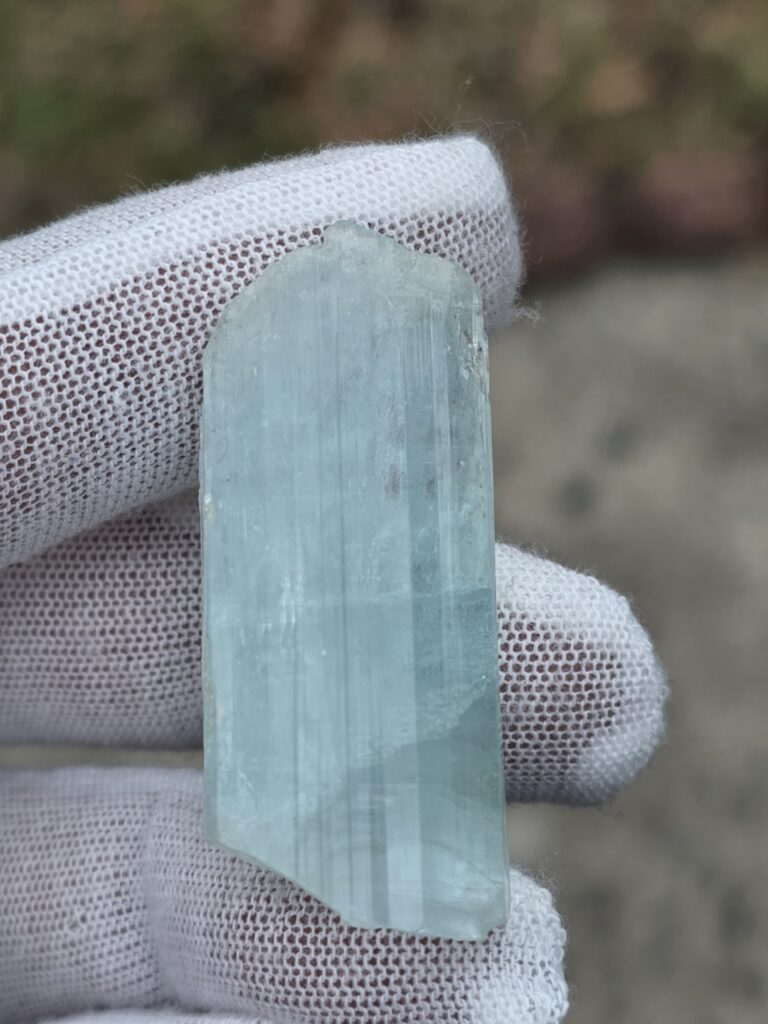
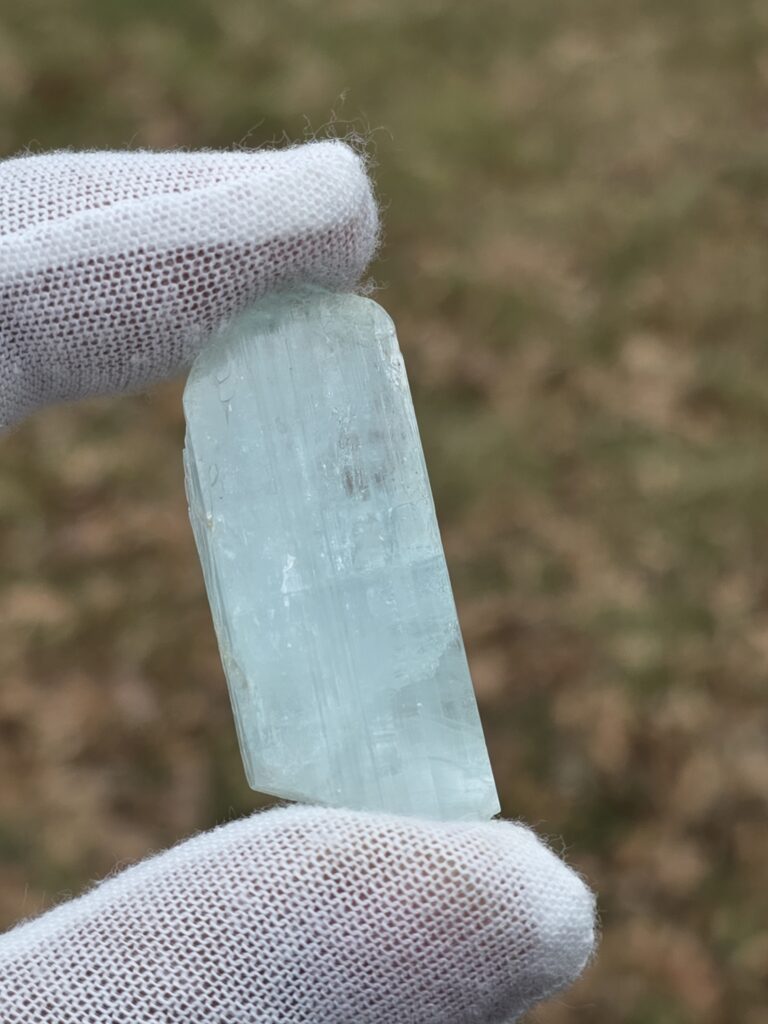
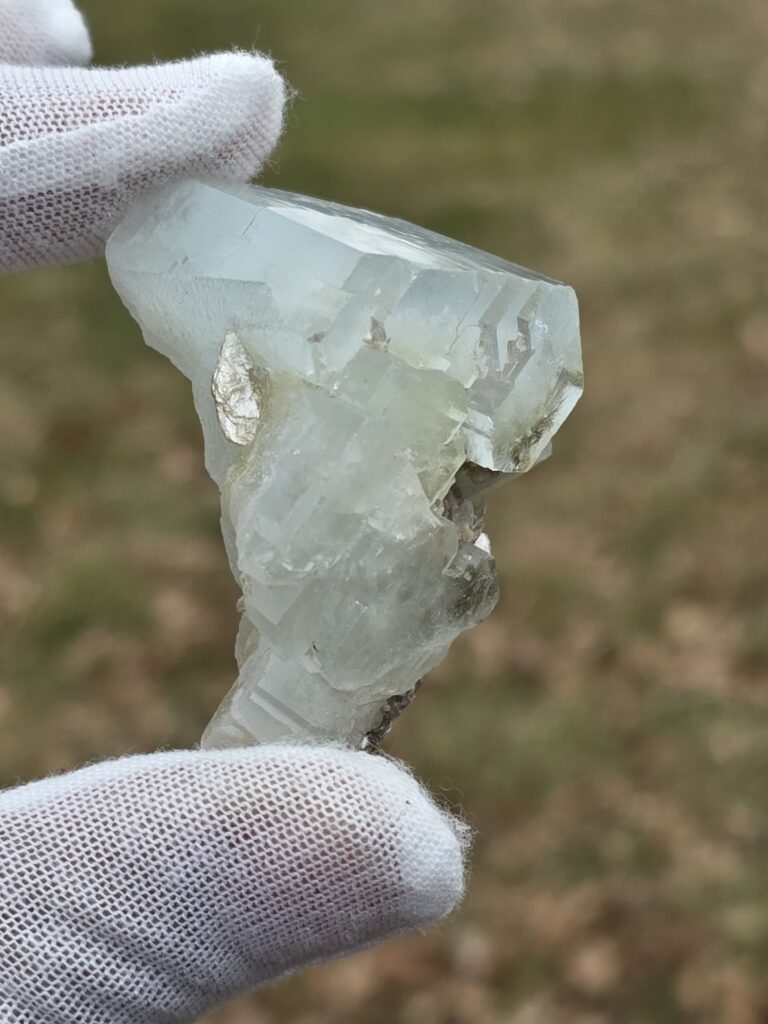
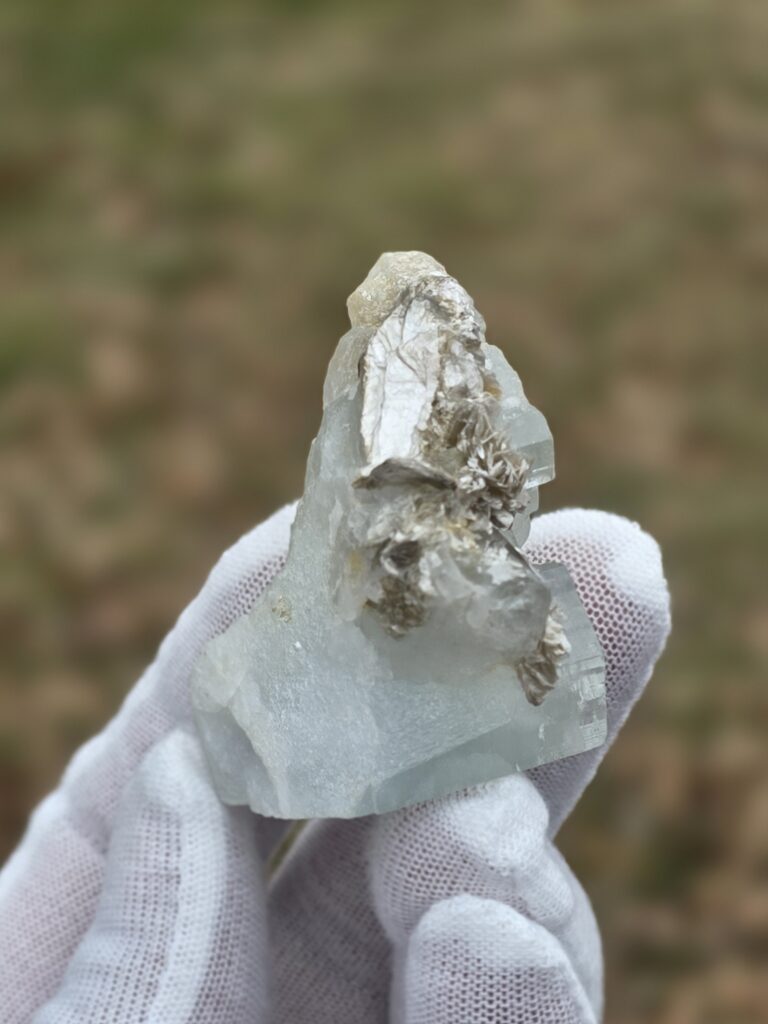
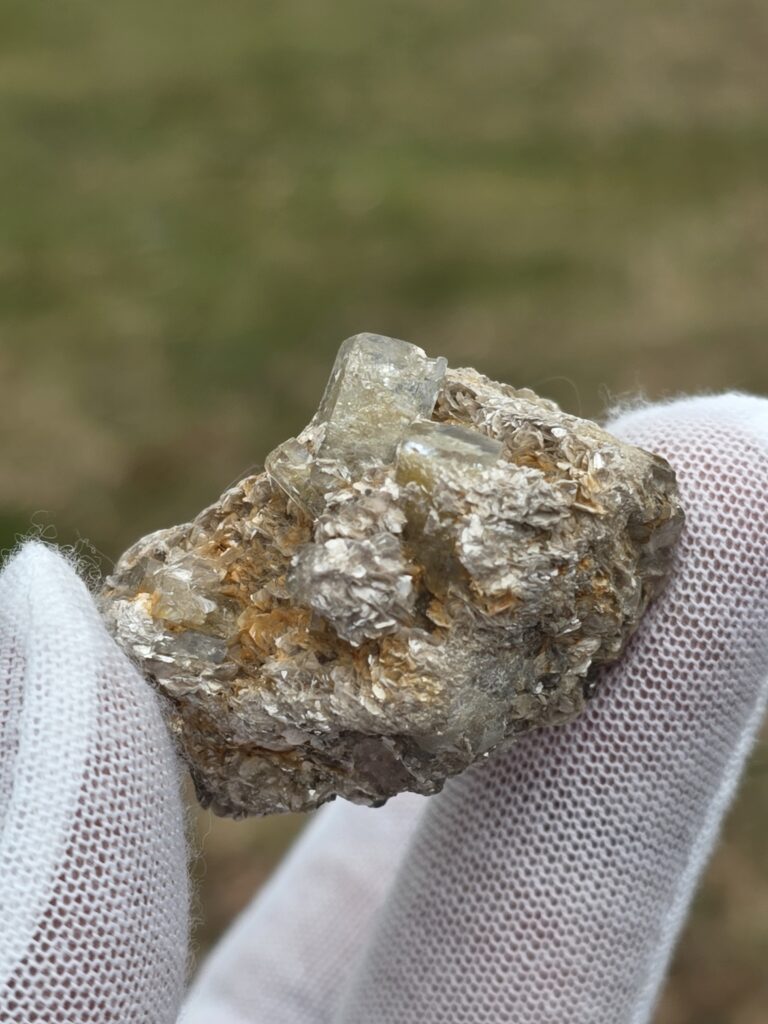
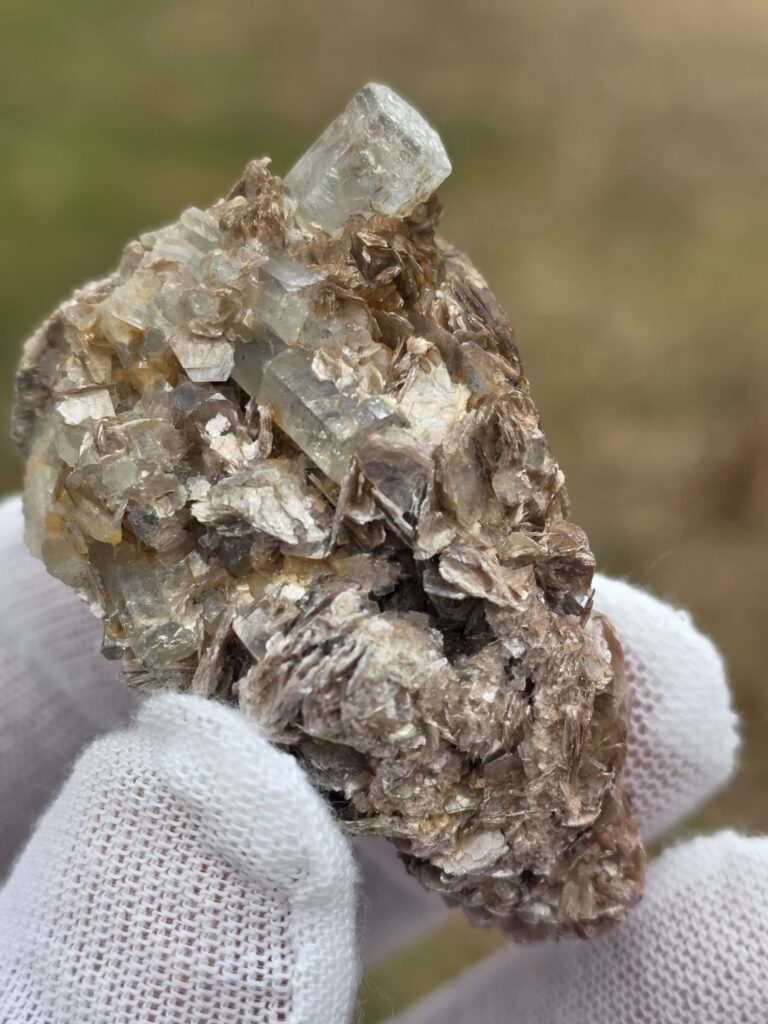
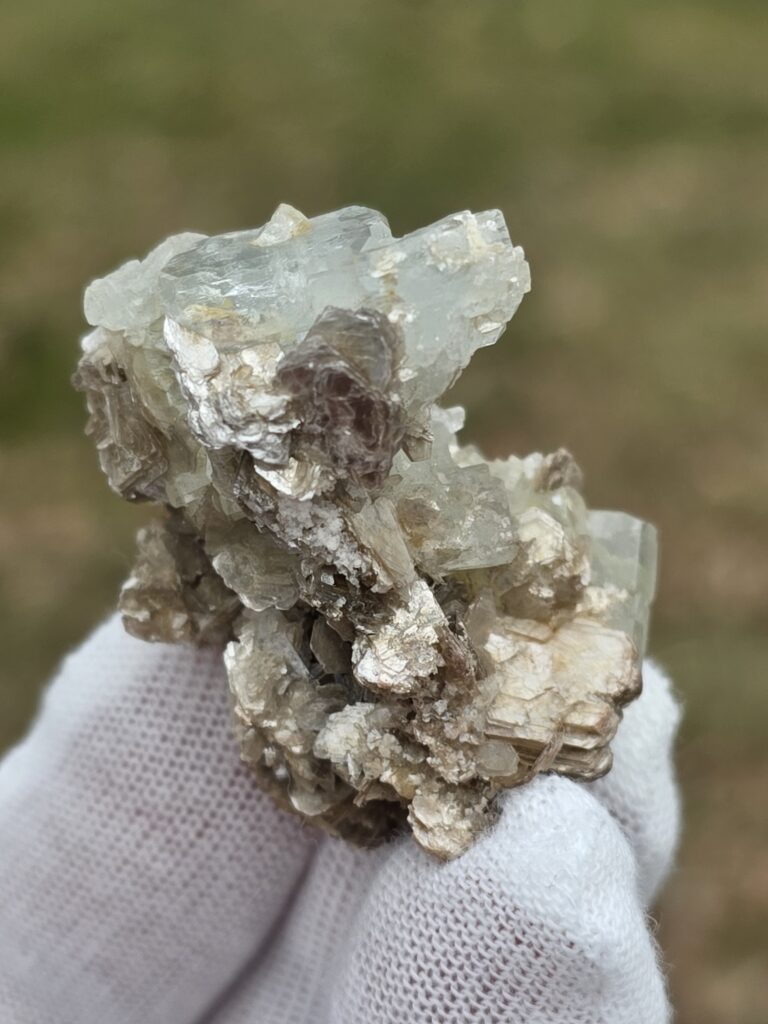
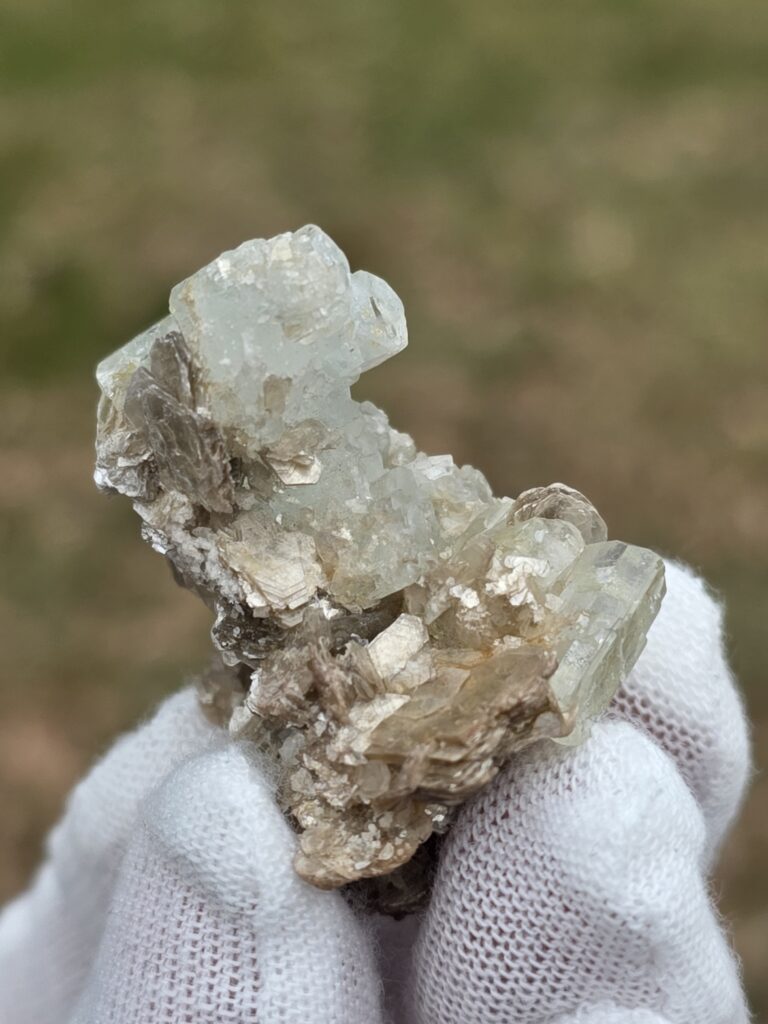
This Specimen is a 47.65-carat aquamarine-bearing mineral cluster from the pegmatite fields of northern Pakistan. It features multiple miniature aquamarine (blue beryl) crystals intergrown with abundant mica group minerals and possible quartz matrix. The crystal association, fine micro-terminations, and natural pegmatitic texture make this a visually appealing collector specimen, ideal for display or educational purposes. Its mineralogical features are characteristic of the renowned Gilgit–Skardu pegmatite belt, one of the world’s premier localities for aquamarine.
1. Identified Minerals
✔ Aquamarine (Blue Beryl)
Visible characteristics:
Small but well-formed prismatic crystals
Transparent to translucent
Pale icy blue to nearly colorless hues
Distinct hexagonal geometry observable in micro-crystal faces
These features confirm the presence of aquamarine, despite the small crystal size.
✔ Mica Group Mineral (Likely Muscovite–Phlogopite Series)
Observed features:
Silvery-tan to bronze coloration
Thin, flaky, sheetlike laminae
Pearly luster
Curved or radiating micro-book formations
Muscovite is more common, but the slight bronze tint suggests possible phlogopite presence. The safe classification is:
➡ Muscovite–Phlogopite Mica Group
✔ Quartz (Likely Matrix Component)
In several areas, the base shows:
Glassy, irregular crystalline mass
Non-cleaving fracture patterns typical of quartz
Quartz is extremely common in Pakistan pegmatites and frequently hosts aquamarine + mica clusters.
2. Structural Description of This Specimen
Aquamarine Crystal Habit
Numerous micro-prismatic crystals rather than a single large prism
Some showing partial termination faces
Embedded between mica books and quartz fragments
Attractive sparkle and translucency under light
Mica Structural Arrangement
Mica forms much of the visible body of the piece
Sheets appear stacked, crumpled, and partially curved—typical of pegmatitic mica
Serves as the primary structural support for aquamarine growth
Mica-dominant clusters with aquamarine microcrystals are common in early-to-mid-stage pegmatite cavity formation.
Overall Visual Aesthetics
A “rough, crystallized pocket fragment” appearance
Sparkling small aquamarine crystals add visual interest
Good contrast between the bronze-tan mica and clear/blue beryl
While not a single showpiece beryl crystal, its mineral association makes it desirable for collectors who appreciate natural pegmatite textures.
3. Geological Context
Likely Origin:
Gilgit-Baltistan region (Skardu, Shigar, or Hunza pegmatite fields) — globally known for aquamarine.
Formation Environment:
Aquamarine forms in granitic pegmatites, where beryllium-rich fluids cool slowly in fractures and cavities.
Mica and quartz crystallize during earlier cooling phases. Later, hydrothermal fluids promote aquamarine growth among mica sheets.
Typical sequence:
Quartz forms the initial cavity matrix
Mica crystallizes in thick, flexible books
Aquamarine develops in pockets between mica and quartz
Subsequent fluid activity gives rise to small prismatic aquamarine growths
This Specimen fits this geological pattern perfectly.
Condition & Authenticity Assessment
100% natural aquamarine
Unheated and untreated
No dyeing, coating, or stabilization
Retains original growth surfaces and internal crystal features
Suitable for:
Mineral specimen collections
Display pieces
Educational or certification purposes
Reviews
There are no reviews yet.